Field answer · Soil Health · Corn · IA
Cereal Rye Before Corn: Should You Adjust Your Nitrogen Rate?
Answered by Jed Grow, PhD · Published openly, free to cite
Where science meets the soil
Research-backed articles, answers to real field questions, and a funding library that covers every state. Free to read, cite, and use.
Popular: cover crop termination · PLFA testing · cereal rye nitrogen · EQIP
Have a question no article answers? Ask an expert, free, no account needed

Field answer · Soil Health · Corn · IA
Answered by Jed Grow, PhD · Published openly, free to cite
Start with what you need
Evidence you can take to the field. 67 articles.
Browse articlesGrants, cost-share, and loans by state and by what you need funded. 55 programs have deadlines ahead.
Find fundingDescribe your field. An expert from our network or our editorial team answers, and the answer is published for everyone.
Ask a questionFrom our community
Community spotlight · Community composting
Erie County × WeRadiate
Your community. Your climate action.
Erie County and WeRadiate connect residents, volunteers, and organizations with local food-scrap composting.
Program-reported figures, checked November 5, 2026.
The Journal
 Latest · Oct 26
compost tea · compost extract
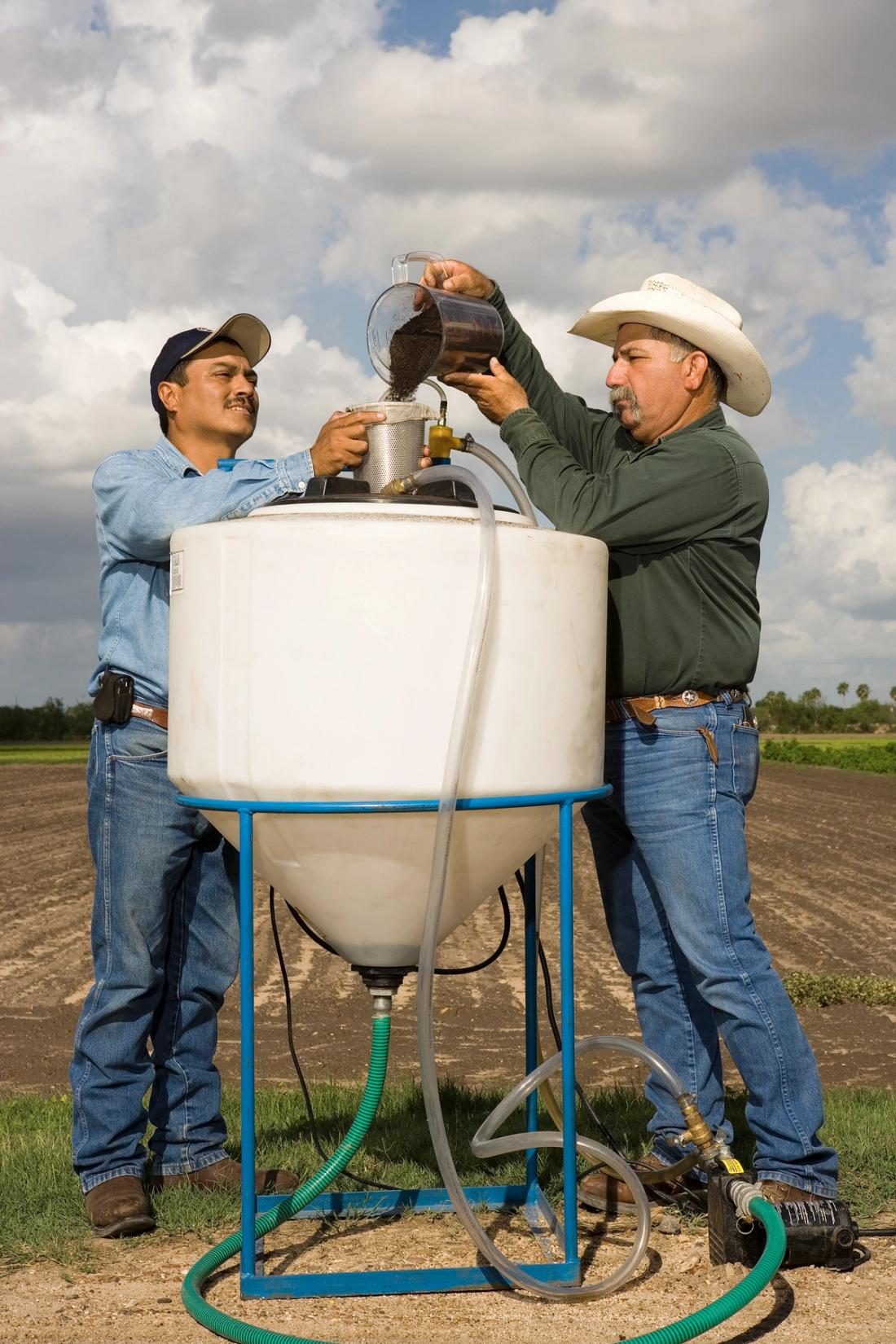
What compost tea contains, where research finds benefits, and how to judge ingredients, food safety, application rates, and cost before using it.
By Soil Health Exchange Team
potassium · soil testing
By Soil Health Exchange TeamOct 2026
Indigenous agriculture · seed stewardship
By Soil Health ExchangeOct 2026
Nanobubble Oxygen Irrigation · Part 2
By Bob BurgerOct 2026
Farm funding
210 programs: 57 national and 153 state, regional, and county. 210 were verified against the official source in the last 90 days.
Maine Department of Agriculture, Conservation and Forestry (DACF), Agricultural Resource Development Division
Payment program
Program details and official siteRhode Island Office of Energy Resources, with Department of Environmental Management
Up to $20,000 per applicant per calendar year
Program details and official siteSouthern SARE (Sustainable Agriculture Research and Education)
$20,000 individual farmer/rancher; $25,000 farmer organization
Program details and official siteField Answers
29 answered questions, each tied to a crop, a region, and the expert who wrote it. Free to read and cite.
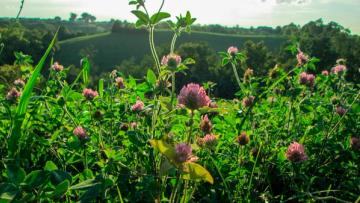
Cover Crops · Corn · WI
Answered by Musfiq Salehin, Ph.D. · 247 reads
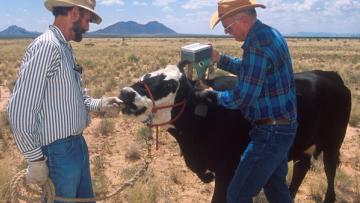
Other · Hay/Pasture · KY
Answered by Soil Health Exchange Team · 185 reads
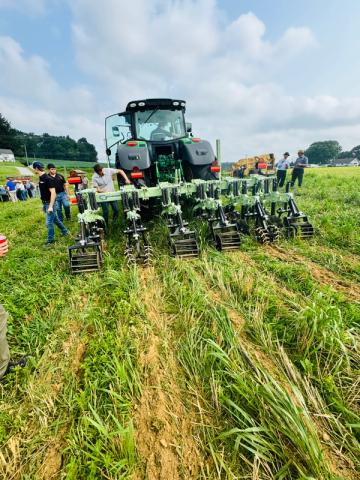
Soil Health · Corn and Soy · Iowa
Answered by Musfiq Salehin, Ph.D. · 108 reads
Tools for the decision
Paste or upload a soil test and get it explained in plain language, with next steps.
Open the toolLay out sampling zones on a map and take the plan into the field on a phone.
Open the toolExplore a cover crop mix for your rotation, climate, and goals.
Open the toolPlan rates and put a fertilizer value on what you already have.
Open the toolThe people behind the answers
Researchers, extension educators, and practitioners who put their name on every answer.
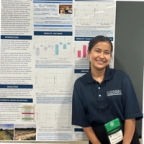
Expert spotlight · November 2026
Ph.D. Student & Graduate Teaching Assistant, Department of Biology, Saint Louis University · St. Louis, MO
Cover Crop · Soil Biology

Assistant Professor of Soil Science, Texas A&M AgriLife Research · Stephenville, TX
Soil Fertility · Nutrient Management

Animal Manure Management Extension Educator, University of Nebraska - Lincoln · Concord, Nebraska
Manure Management · Livestock & Poultry Systems

Western Region Outreach Scientist and Applied Research Leads, Ward Laboratories Inc. · Nebraska
Soil Chemistry · Soil Health Testing
“We believe that if people really understand how the plants, the soil, and the biology all work together in diverse communities as God created them to, the adoption of soil health and regenerative agriculture practices will naturally follow.”
 Keith BernsFounding member · Green Cover
“Soil Health Exchange is one of my favorite resources to turn to right now — doing awesome work as it relates to soil. More and more people are recognizing how reshaping agriculture is vital to our longevity on this planet.”
 Katherine AlmquistPhD Student, Northwestern
“This is an awesome review and assessment of the continuum of this project over the course of these various publications and research efforts.”
 Aaron HirdReader · Nebraska
Partners & farmer resources
Farmer support, field services, and technology from organizations connected through the exchange.
Veteran-led nonprofit
A veteran-led foundation in central Missouri, connecting land stewardship, farmer-to-farmer learning, and community. Its work brings conservation questions back to the realities of a working farm.
Central Missouri
Explore their work
Environmental consultancy
Soil, water, and environmental sensing across the Intermountain West. IM-WEST connects field sampling, laboratory analysis, and technical reporting with the decisions land managers need to make.
Intermountain West
Explore their work
Technical consultancy
IngenuityWorx combines technical review and bench-scale testing for soil, water, and process technologies. Nanobubble consulting and ChucaoTech equipment support are part of that work.
Scarborough, Maine
Explore their work
Farmer advocacy nonprofit
Farm Aid brings farmers, artists, and communities together to help keep family farmers on the land. Its work connects public advocacy, farmer resources, and a movement for food from family farms.
United States and U.S. territories
Free farmer-support resource
Explore resourcesEach profile explains the organization’s work, service area, and relationship with Soil Health Exchange.
The weekly field memo
Soil health ideas, practical answers, and funding deadlines from across the exchange.
Your place in the exchange
Soil reports, observations, and next steps in one place, beside the tools and answers you have saved. Get to know My Farm.
Explore My Farm