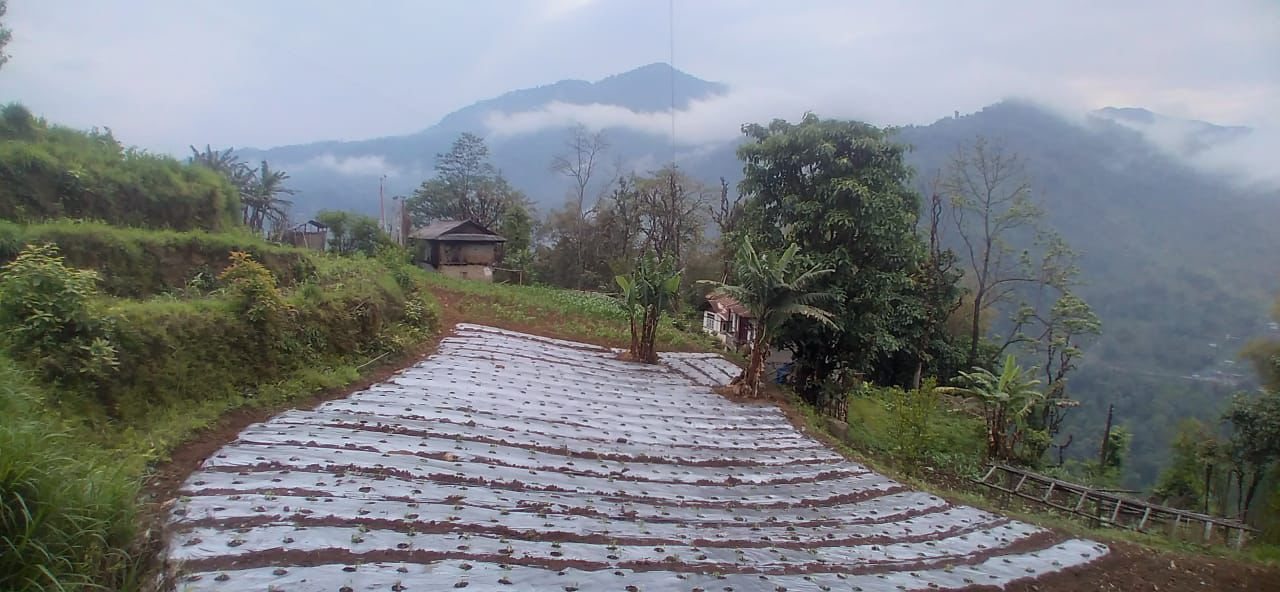
Sikkim is often described in one sentence: India's first fully organic state. The more useful story is longer. It is about a small mountain state coordinating policy, certification, extension, and market development over many years, then discovering that certification is only one part of a farm and food economy.
What the transition achieved
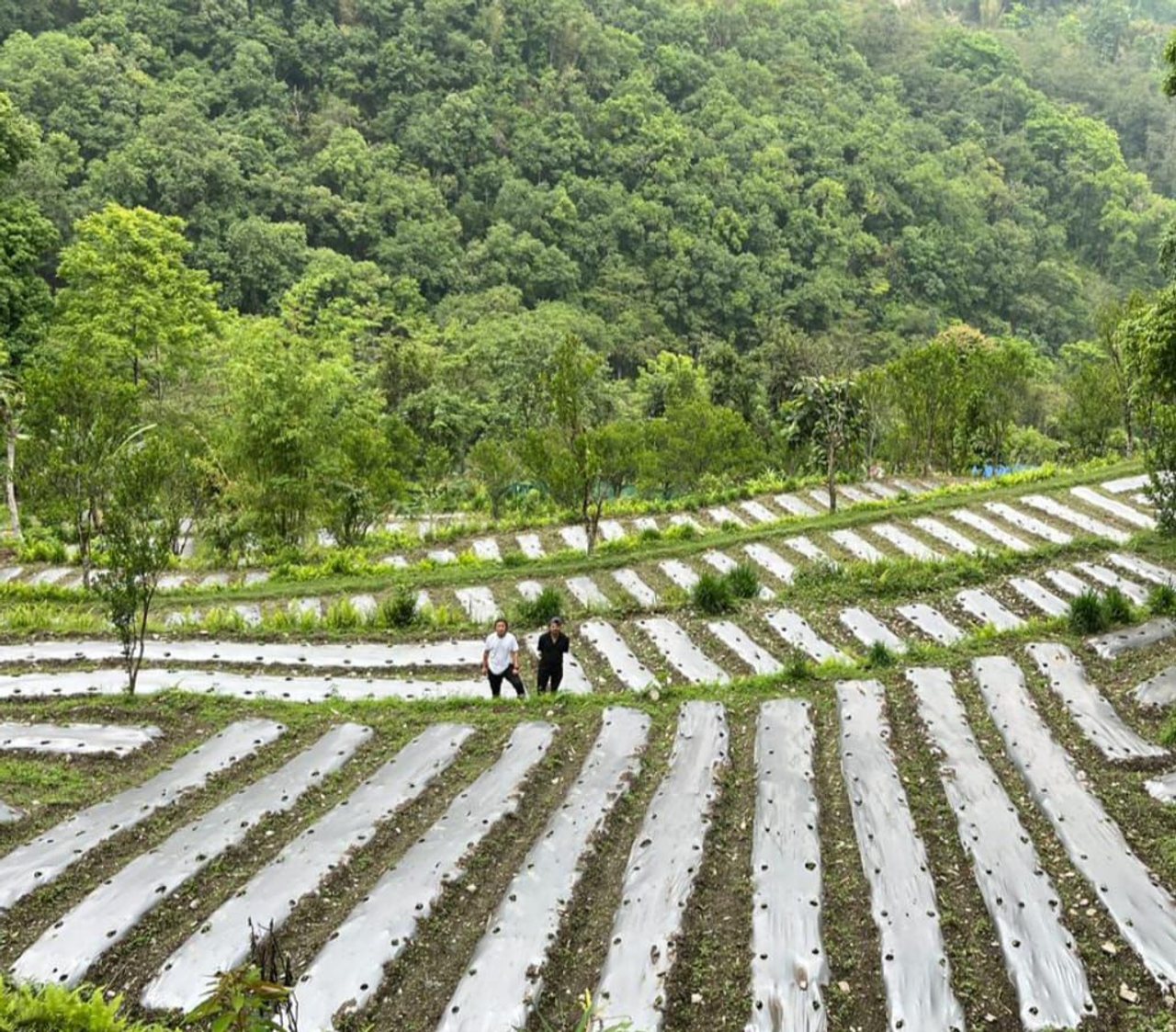
Sikkim's organic mission combined a state policy with the phaseout of synthetic agricultural inputs, training, certification, and support for organic production [1]. APEDA's 2023–24 data list 75,472.85 hectares of certified organic area in Sikkim and 256.93 hectares under conversion [2]. These administrative figures are the clearest current measure of certified area.
Certification at this scale required coordinated institutions and farmer participation. The state's work under the Mission Organic Value Chain Development for North Eastern Region also organized farmers into production clusters and farmer producer organizations. Government reporting for earlier program phases lists 14,500 hectares and 27,724 beneficiaries in Phase I, followed by 6,000 hectares and 12,000 beneficiaries in Phase III [3]. These program counts should be read as implementation records, not as independent measures of income or wellbeing.
What certification does and does not tell us
Keep the evidence categories separate
| Evidence | What it can show | What it cannot prove alone |
|---|---|---|
| Certified-area records | Land enrolled and verified under an organic certification system | Yield, profit, soil improvement, or equal participation |
| Program beneficiary counts | Participation in a defined public program | Long-term income change or distribution of benefits |
| Farm surveys and interviews | Experiences, constraints, and outcomes in the sampled group | Statewide results when the sample is small or not representative |
| Crop and soil measurements | Changes at measured sites over a defined period | Attribution to policy without a suitable comparison |
| Tourism or market trends | Change occurring during the transition | That organic policy caused the whole change |
Sikkim received international recognition for its policy approach in 2018 [7]. That recognition is important, but awards and broad tourism trends should not substitute for crop, household, and environmental measurements. A careful account can value the policy achievement while continuing to ask how benefits and costs are distributed.
The agronomy has to fit a mountain landscape
Sikkim's farms operate across steep slopes, varied elevations, high rainfall, and small, dispersed fields. FAO's mountain-farming case work emphasizes soil and water conservation, diversified production, livestock integration, local crops, and careful management of fragile slopes [6]. Organic status does not remove erosion, nutrient balance, disease, or labor constraints. It changes the tools available to manage them.
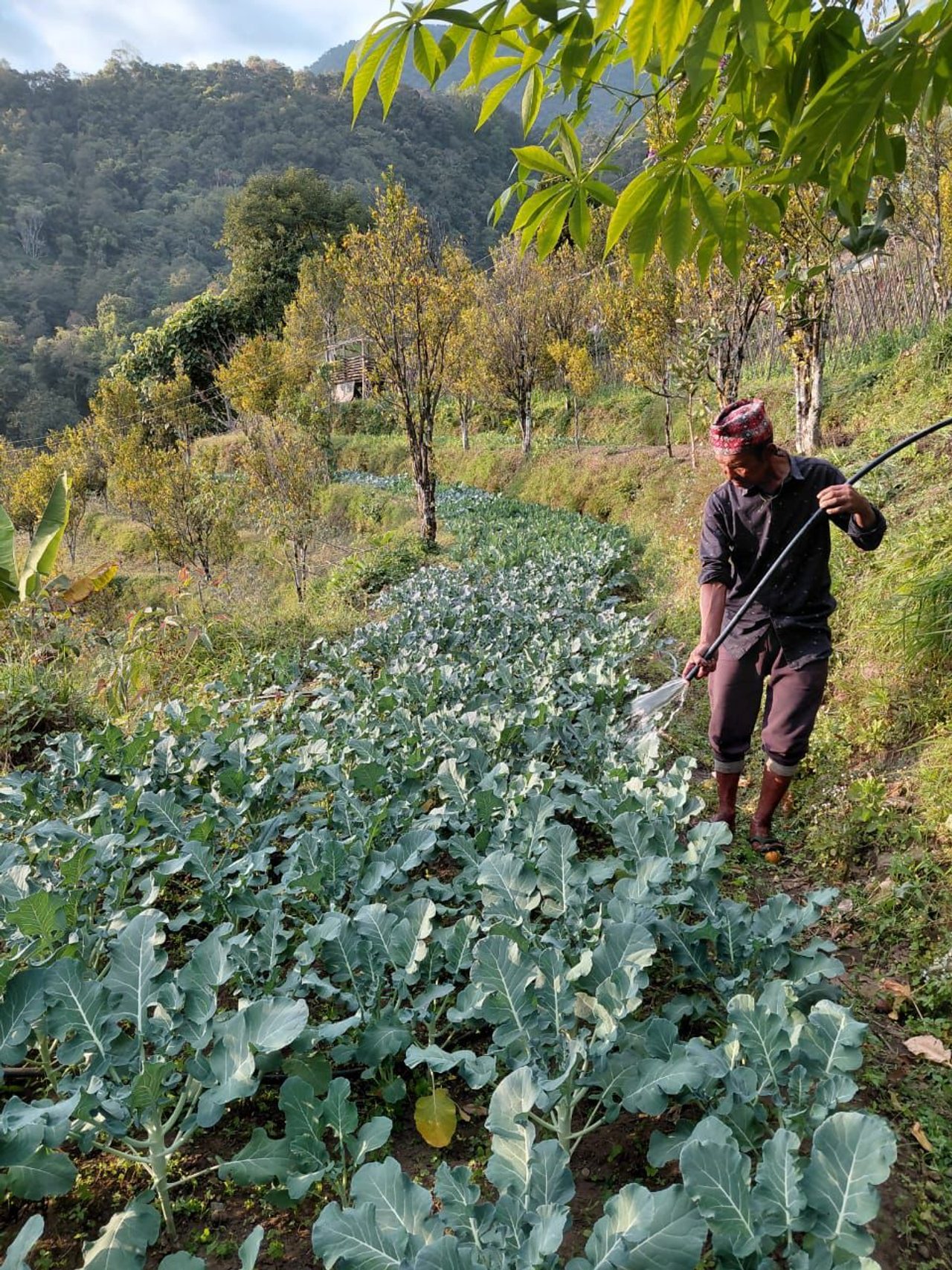
Research on agricultural land productivity in Sikkim identifies continuing constraints and differences among crops and locations [11]. The practical response is crop- and site-specific support: soil testing, compost and nutrient planning, locally reliable seed and planting material, pest monitoring, protected cultivation where it is economical, water management, and field demonstrations that farmers can compare. A statewide label cannot replace local agronomy.
Markets determine whether the transition holds
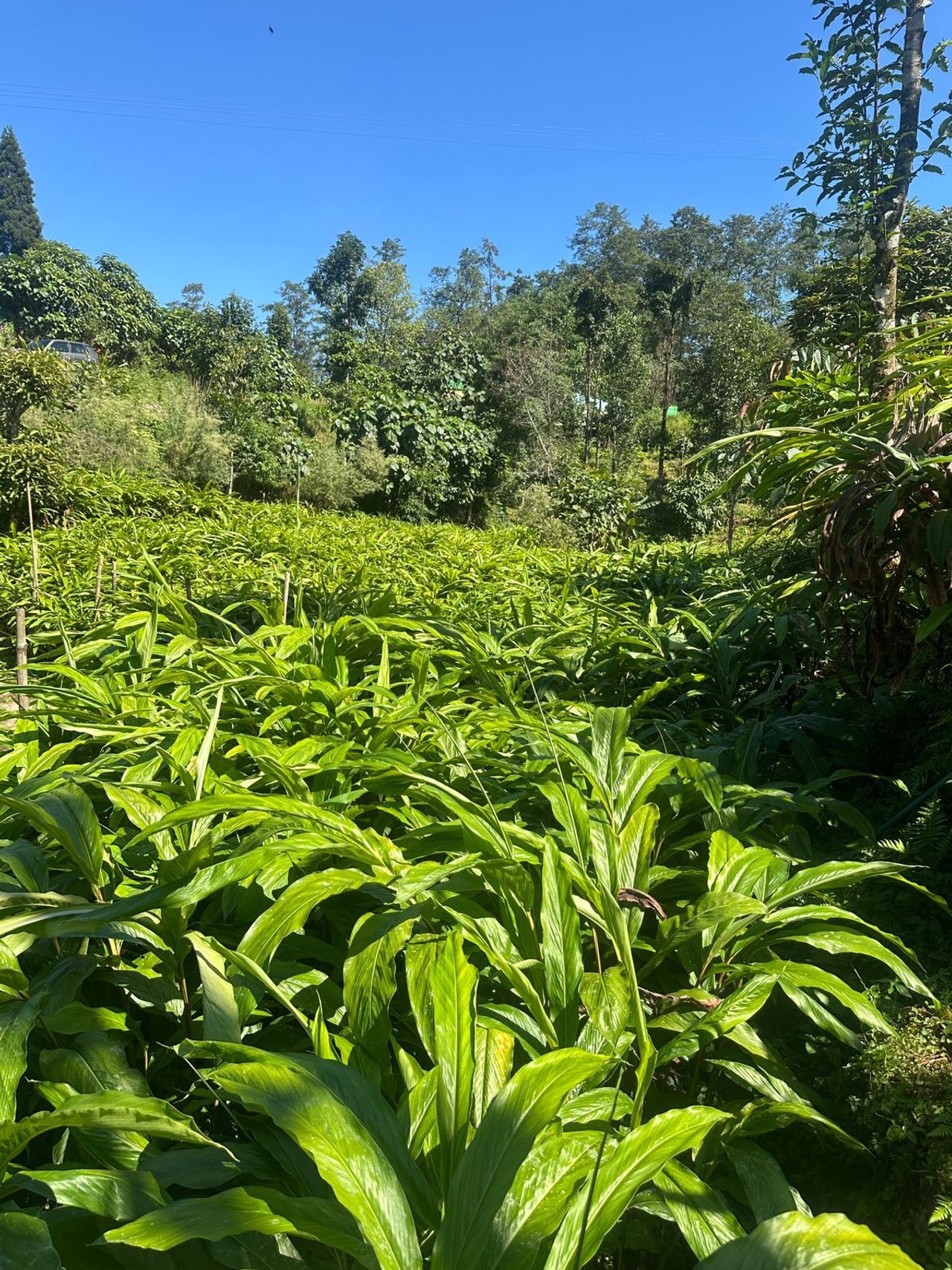
A farmer needs more than permission to sell an organic product. The product must be aggregated, graded, stored, processed, transported, certified, and matched with a buyer. Sikkim's 2026 Mission Sikkim Organics announcement and State Day message identify value-chain gaps in processing, certification, branding, marketing, and infrastructure and outline new investment to address them [4][5]. That policy direction reflects an important lesson: production and markets have to be built together.
A value-chain check for an organic transition
| Link | Question to answer | Useful measure |
|---|---|---|
| Farm production | Can farms maintain yield, quality, and nutrient balance during and after transition? | Yield, quality, input cost, labor, and crop loss by farm type |
| Aggregation | Can small volumes be combined without losing identity or quality? | Volume handled, rejection, distance, and farmer payment time |
| Certification | Is verification credible and affordable for small farms? | Cost per farm, noncompliance, renewal, and time to certificate |
| Storage and processing | Can perishability and seasonal supply be managed? | Loss, utilization, capacity, and value added locally |
| Market | Is there a repeat buyer at a price that covers the system? | Farmgate price, sales volume, rejected product, and buyer retention |
Farmer organizations can connect the pieces
Farmer producer organizations can aggregate product, negotiate with buyers, coordinate inputs and certification, and share facilities. A small study of Sikkim FPO members found operational and marketing constraints that deserve attention, but its sample of 60 respondents should not be generalized to every farmer [10]. The useful question is whether an organization delivers measurable services and better terms to members, not whether it exists on paper.
Pest management still requires observation and response
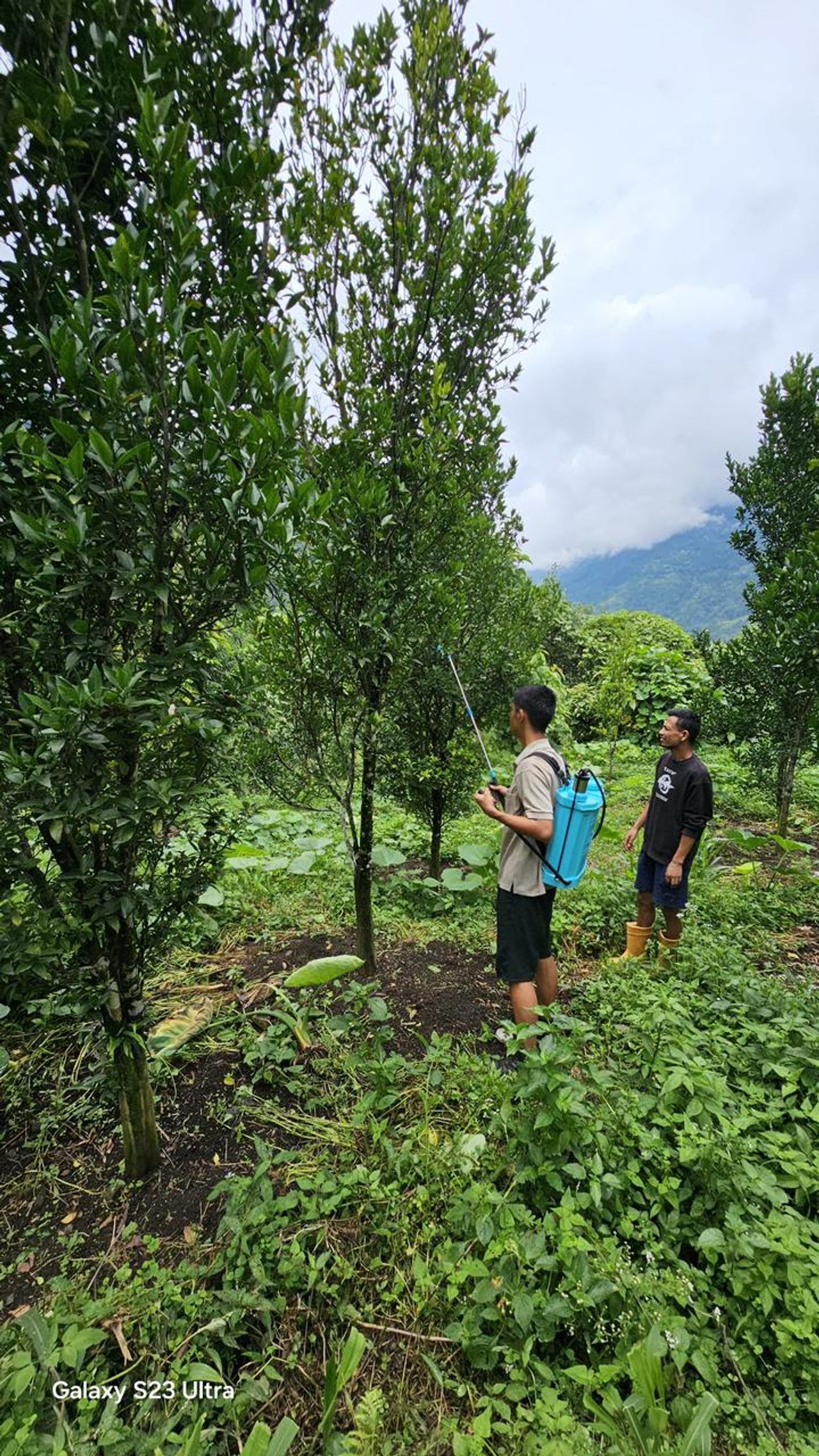
Organic production does not mean leaving pests unmanaged. It places more weight on prevention, resistant or adapted varieties, sanitation, crop diversity, habitat management, monitoring, thresholds, traps, biological controls, and permitted products. These methods require extension support and timely access to materials.
What another region can learn
- Measure the baseline before the transition: crops, yields, input use, soil condition, labor, household income, buyers, and infrastructure.
- Phase the change according to crop and farm risk. Provide technical help and transition finance before removing a familiar input.
- Develop compost, biological inputs, seed, pest diagnostics, and extension capacity close to farmers.
- Organize certification and traceability so that small farms can participate without carrying unreasonable administrative cost.
- Build aggregation, storage, processing, transport, and repeat buyers at the same time as production.
- Report outcomes by crop, location, farm size, and gender where possible. Statewide averages can hide who benefits and who bears the cost.
- Keep an independent learning system. Publish setbacks, adjustments, and economic results as well as certified area.
Recent research continues to examine the welfare and political dimensions of Sikkim's organic policy [8][9]. The strongest reading of the evidence is neither a simple success story nor a dismissal. Sikkim demonstrates the reach of coordinated policy. Its current investments also show that agronomy, processing, markets, and farmer returns require sustained work after certification.