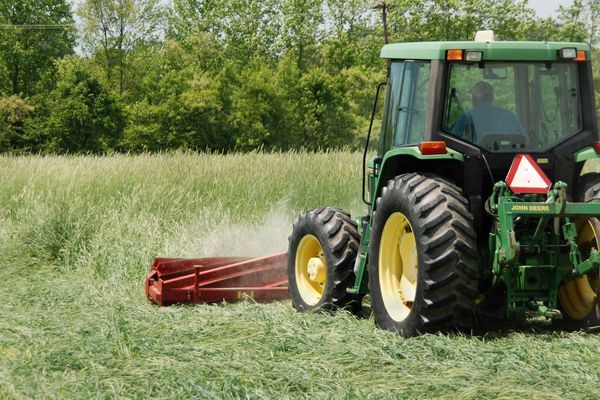
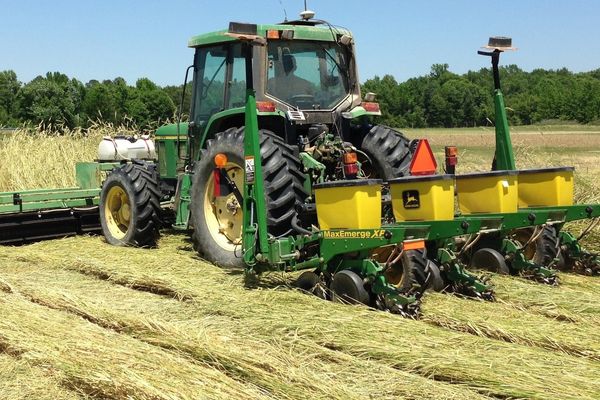
I'm considering cover crops and no-till on 800 acres of corn-soy. What will it cost me during the transition, when will I see returns, and what's the total economic case including reduced input costs?
Great question—and it’s encouraging to see you considering both cover crops and no-till in a corn–soybean system.
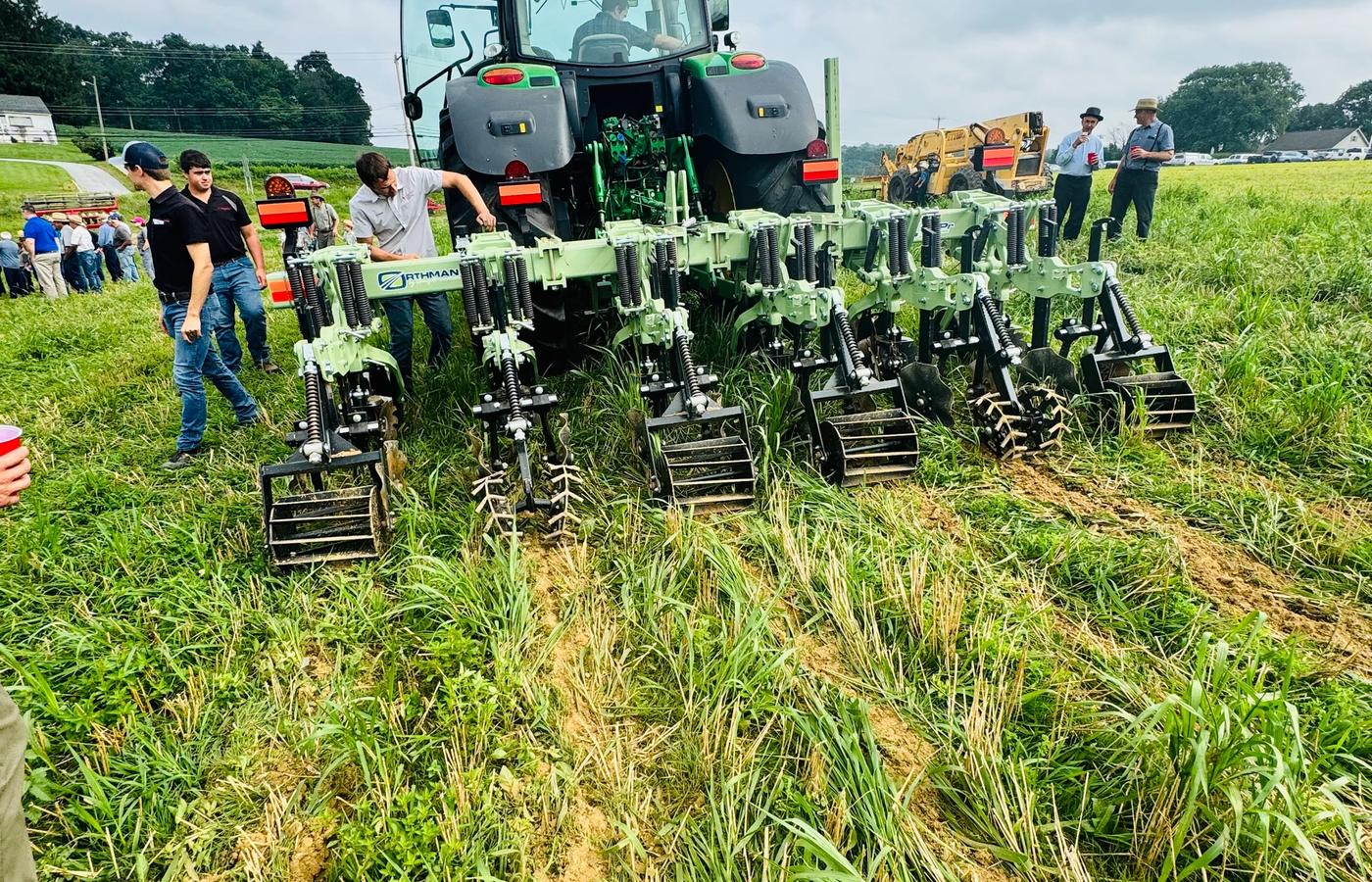
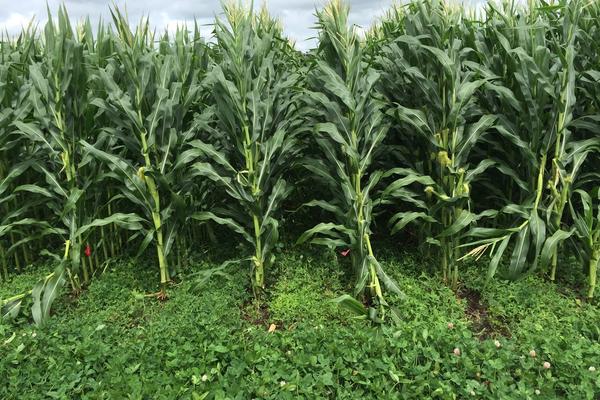
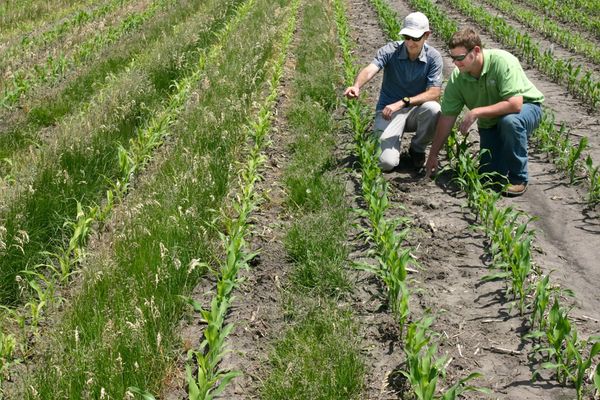
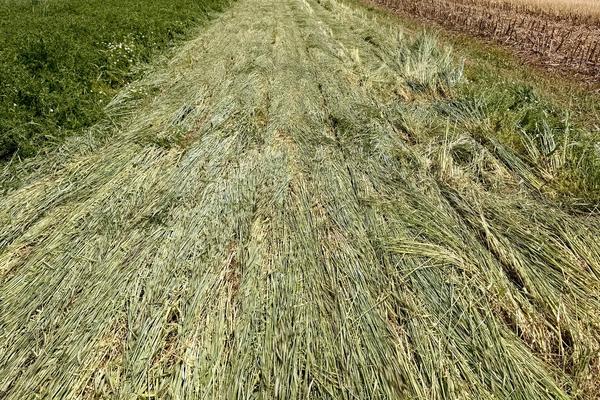
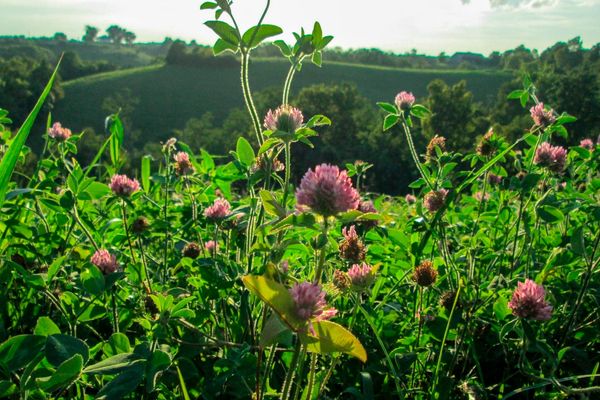
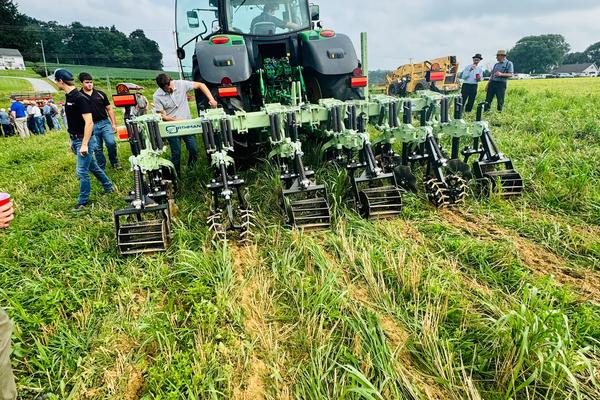
We are testing organic corn in an established clover living mulch in Pennsylvania using zone tillage, mowing, and mechanical weed management. How should we protect the corn row from clover competition while retaining living cover between rows, and what should we measure before scaling?
Are virtual fence or collar works as they promise? what are the challenges, and is there any subscription, a farmer have to pay? Is it worthwhile and cost-effective? Have anyone use any of these :Drover, Monil, Vence, NoFence, Gallagher (eShepherd), Skygraze, Collie or Halte and share your experience?
[Timeline: Planning ahead / not urgent]
I farm clay loam in central Iowa with a corn-soy rotation. What cover crop species or mix should I plant after corn harvest in mid-October, and will it establish before freeze-up?
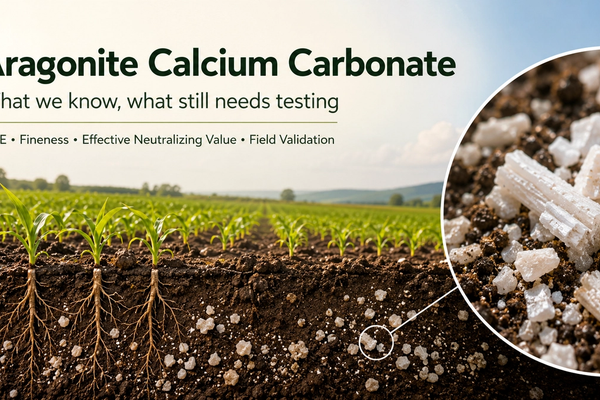
Has anyone done any studies on Aragonite calcium carbonate or do you know of anyone researching it? This is what our studies have shown. We are looking for any additional studies or someone who would do their own study if we provide the aragonite.
Benefits
- Improved drought resistance
- Reduced irrigation demand
- Enhanced microbial activity
- Increased yield consistency
- Reduced fertilizer usage (20–30% potential)
Strontium Contribution
Trace Sr enhances:
- Cell wall strength
- Stress tolerance
- Root development (at controlled levels)
AragoCor Minerals LLC
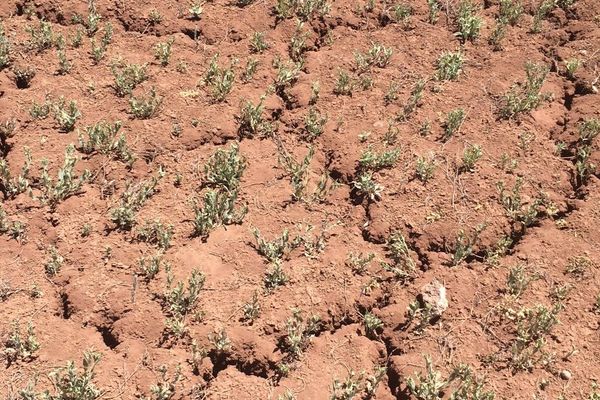
Cover cropping solutions in arid dry land farming. How can we develop cover crop varieties to increase diversity of options in dry land environments, what kind of breeding development would be necessary to facilitate no-till organic in arid environment?
I planted cereal rye cover before corn. How much nitrogen credit do I get, when does it become available, and how should I adjust my fertilizer program?
I'm considering cover crops and no-till on 800 acres of corn-soy. What will it cost me during the transition, when will I see returns, and what's the total economic case including reduced input costs?
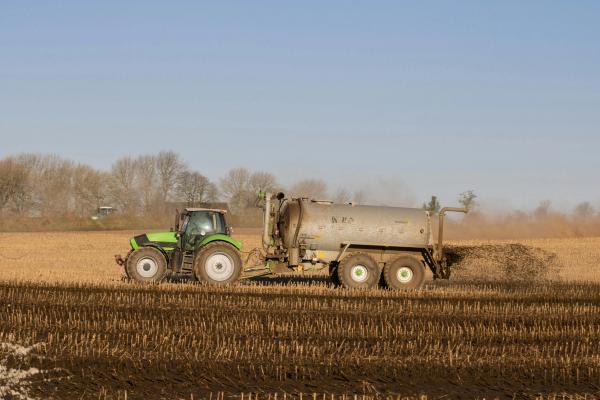
I'm applying feedlot manure on irrigated corn ground in south-central Nebraska. My neighbor says I can cut synthetic fertilizer entirely if I apply enough manure. Is that true, and what's the catch with cover crops in the mix?
What are some specific soil health challenges that producers and agribusiness stakeholders in the Midwest region, primarily involved in corn and soybean production, might want to address through the Soil Health Exchange platform?
Is there rough calculation to quantify data illustrating how much methane is deferred from a single yard of compost ? Our community composting program is trying to quantify our environmental impact. How much GHG we are actually deferring via our small program. We will use this data to motivate our current volunteers and bring on new ones this growing our program, and improving our soil locally.
It seems everyone has a soil health product for sale these days, so I find it hard to sort through and select any amendment or biostimulant with confidence. Is there any independent research concerning biostimulants, humates, etc? I'm in northeast Nebraska, in Pierce, Antelope, and Knox counties. Corn and soybeans. Lots of sandy ground.
Thank you.
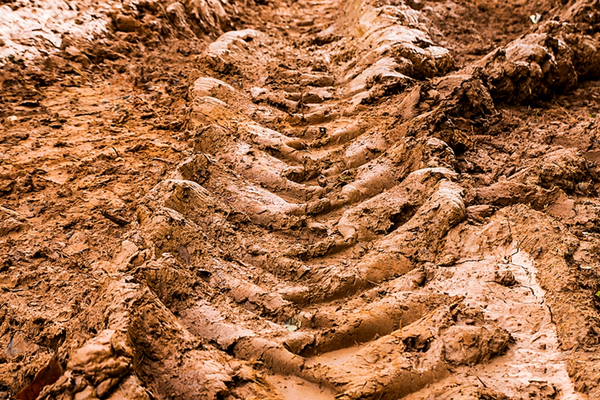
"How does a guy alleviate soil compaction without mechanical means and long-term cover crop? I've heard guys talk that are big into soil health and regenerative ag about reducing soil compaction. Is there a way to do it with biology, compost, humic acid, or other means?"
I handle a trust that has some unique soil; some of it is gumbo, and some is better black and sand. Most are under pivot. I need some help with how to deal with this to improve the soil and be able to keep it under pivot. We had it tiled a few years ago, but it did not work, and we're unsure whether it was properly installed. I am open to ideas for improving the field. It was not good when they got two combines stuck there this fall.
"I farm with my dad in southwest Nebraska in Hayes County. We farm roughly 3,000 acres, all of which is dryland. We produce wheat, corn and grain sorghum. We have one field in particular that has us stumped. The field is 99 acres. Its soil type is Blackwood silt loam. We had terraces built on this field in 2010. Prior to the terraces being built, it was consistently one of our best-yielding fields. Since the terraces were built, it has become one of our worst-yielding fields. This field was also ripped shortly after the terraces were built to try to prevent any compaction issues that may have resulted from the construction of the terraces. None of the fertility programs we have tried seem to remedy the problem. Any insight into the causation of this problem, or any solutions you might be aware of would be greatly appreciated."
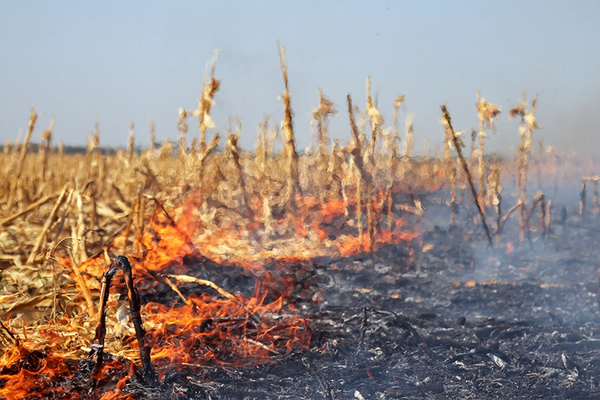
"Fall 2022 fires in Saline County seem to be negatively impacting irrigated corn yields in at least one field. Corn yield was 70 bu/ac less based on the yield monitor between fall 2022 burned and unburned areas in the field. Farmer doesn't think nitrogen, sulfur or soil moisture was likely a yield-limiting factor, given his irrigation management and spring fertilizer program. Any potential soil health factors that could be impacting yield?"
Humberto Blanco|
+2
Need guidance for a different field situation?
Start with a quick soil assessment, then send a field question for tailored expert advice.