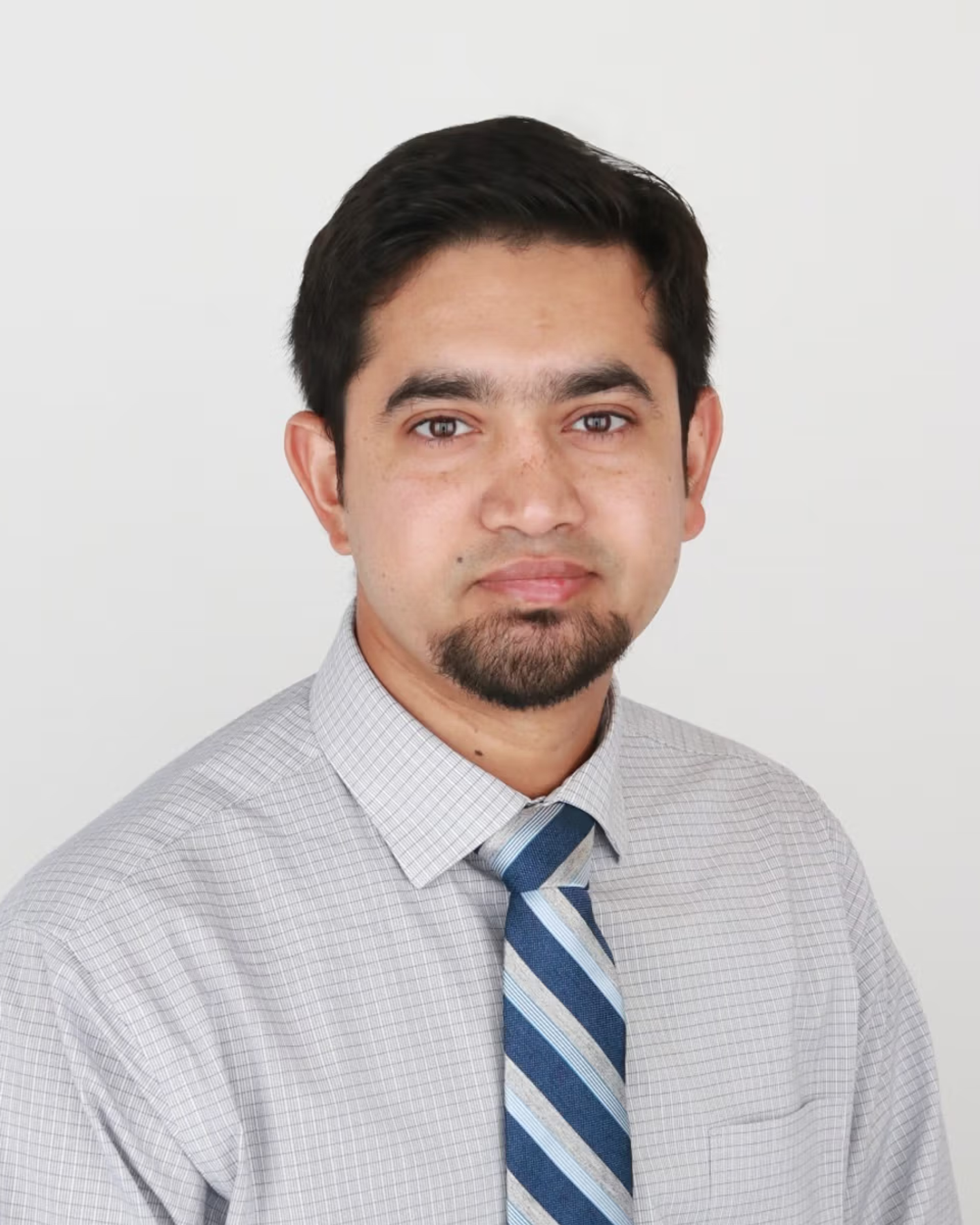
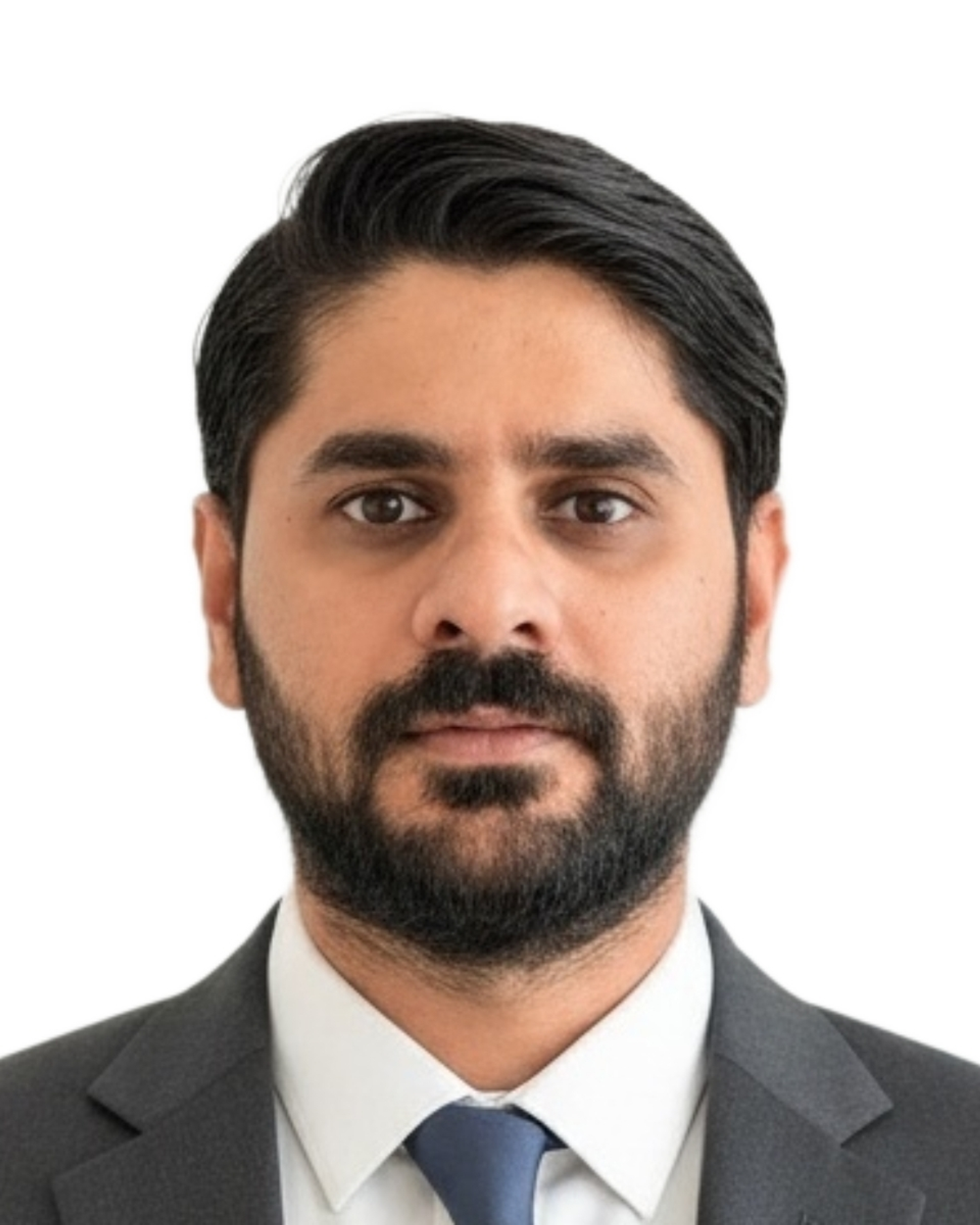
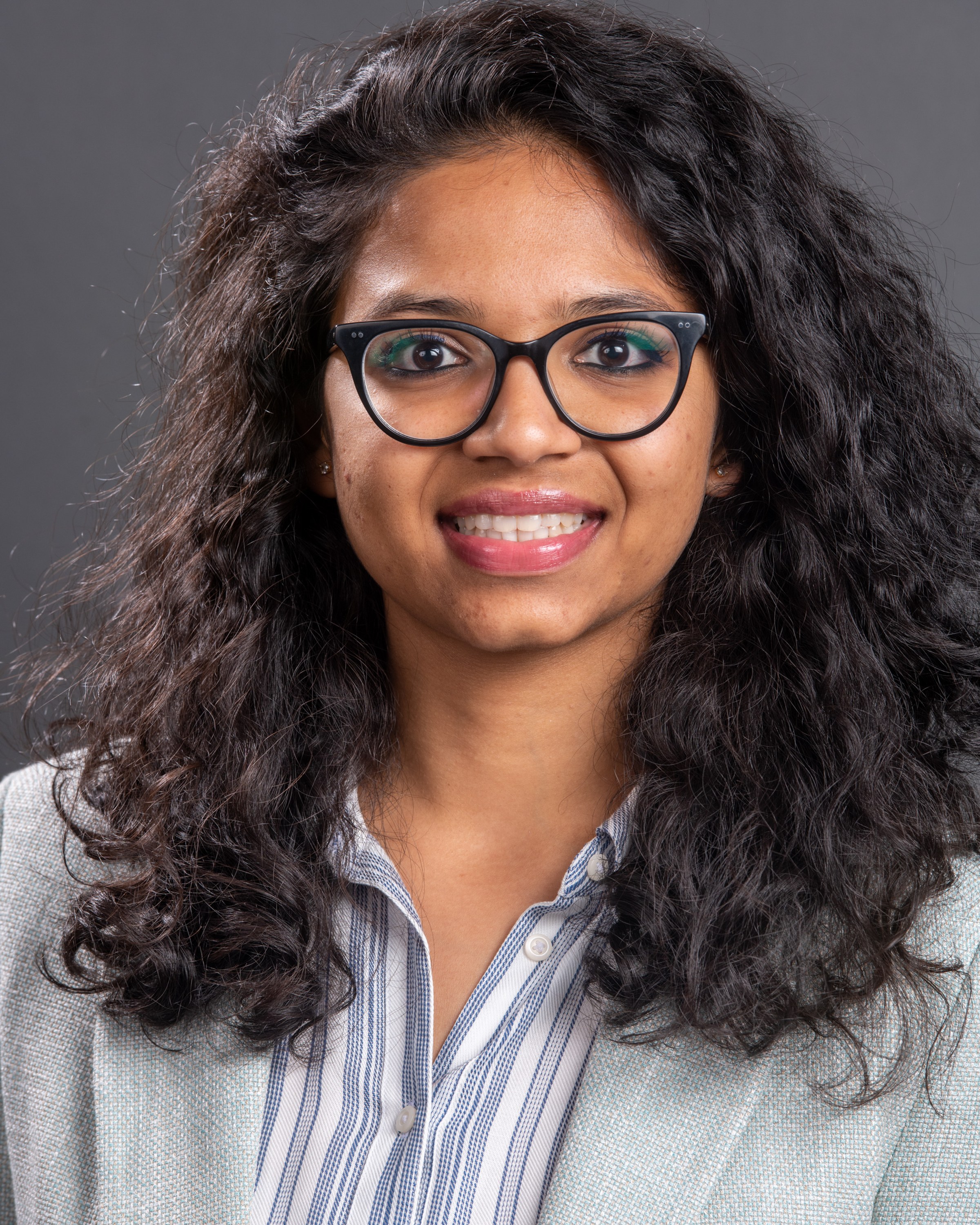
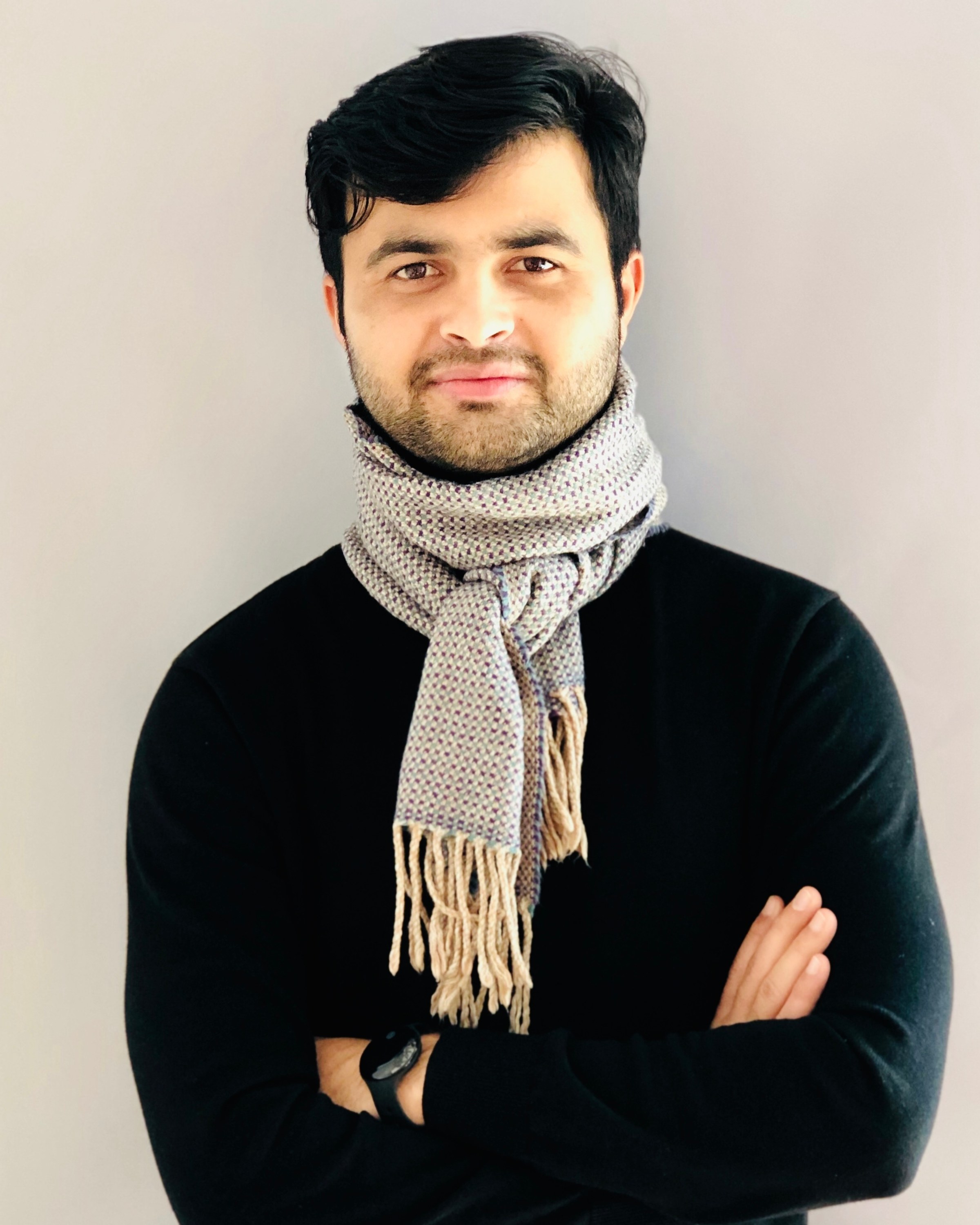
Musfiq Salehin is Assistant Professor of Soil Science with Texas A&M AgriLife Research at the Stephenville Research and Extension Center.
His research integrates soil fertility, nutrient management, and climate-smart practices to improve productivity and sustainability across semi-arid and subtropical cropping systems. The work focuses on agronomic management that improves nutrient- and water-use efficiency in row crops, spanning cover crops, organic cotton, sorghum, and irrigated systems and combining field trials with environmental sensing, eddy covariance, remote sensing, and machine learning.
Musfiq holds a Ph.D. in Agronomy from Texas A&M University, an M.S. in Plant and Environmental Sciences from New Mexico State University, and a B.S. in Soil, Water, and Environment from the University of Dhaka. On Soil Health Exchange, he brings practical soil-fertility and nutrient-management expertise grounded in climate-smart cropping systems.
Western Region Outreach Scientist and Applied Research Leads
Researcher / faculty · Extension / educator
Industry
Ward Laboratories Inc.
Nebraska
Soil ChemistrySoil Health TestingCarbon SequestrationRegenerative Agriculture
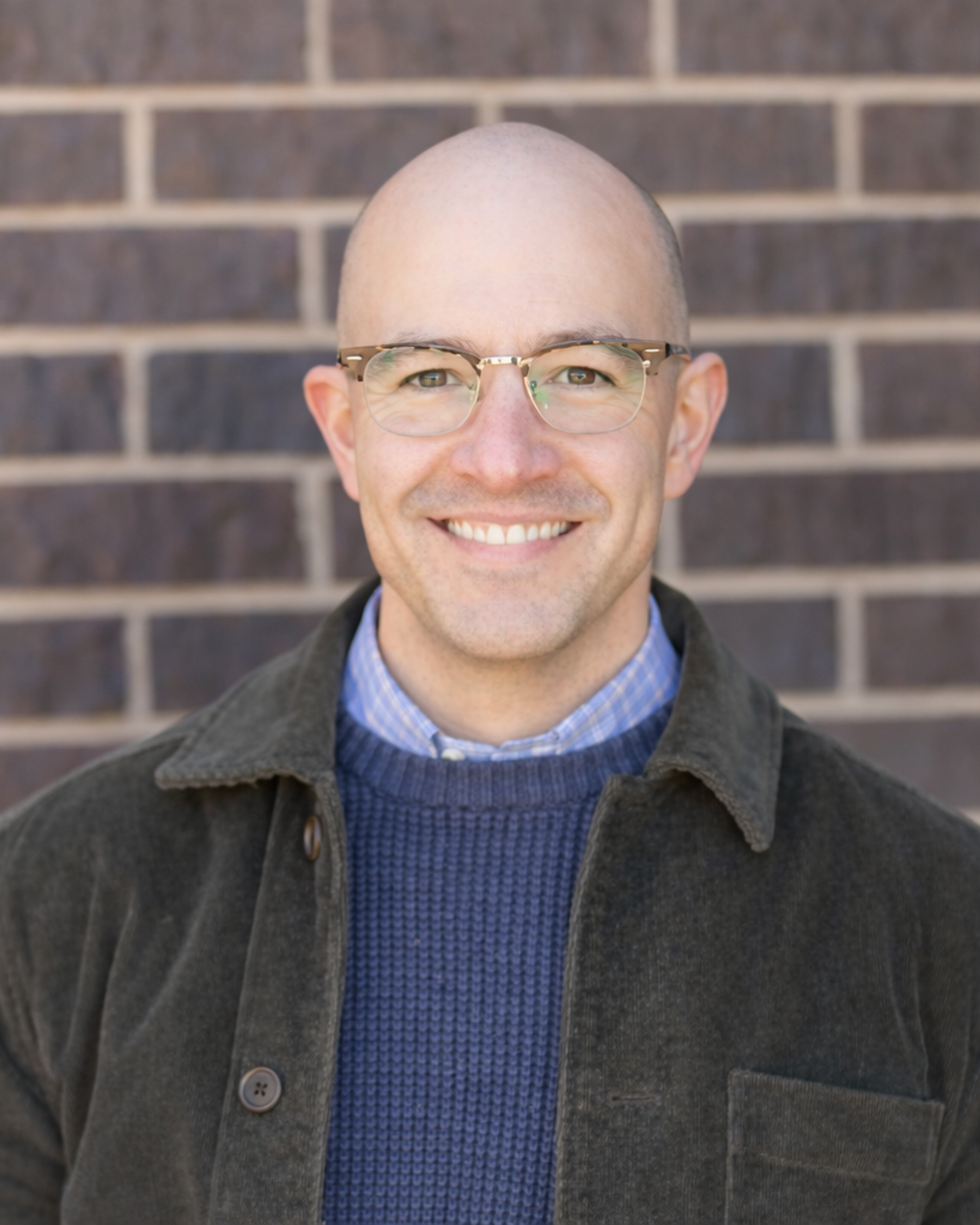
Patrick M. Freeze, Ph.D., is Western Region Outreach Scientist and Applied Research Lead at Ward Laboratories, Inc. He holds a Ph.D. in Soil Chemistry and has conducted international research as a Fulbright Scholar and USDA Fellow. He speaks across the U.S. on soil chemistry and health, carbon cycling and sequestration, regenerative agriculture, and sustainable land management.
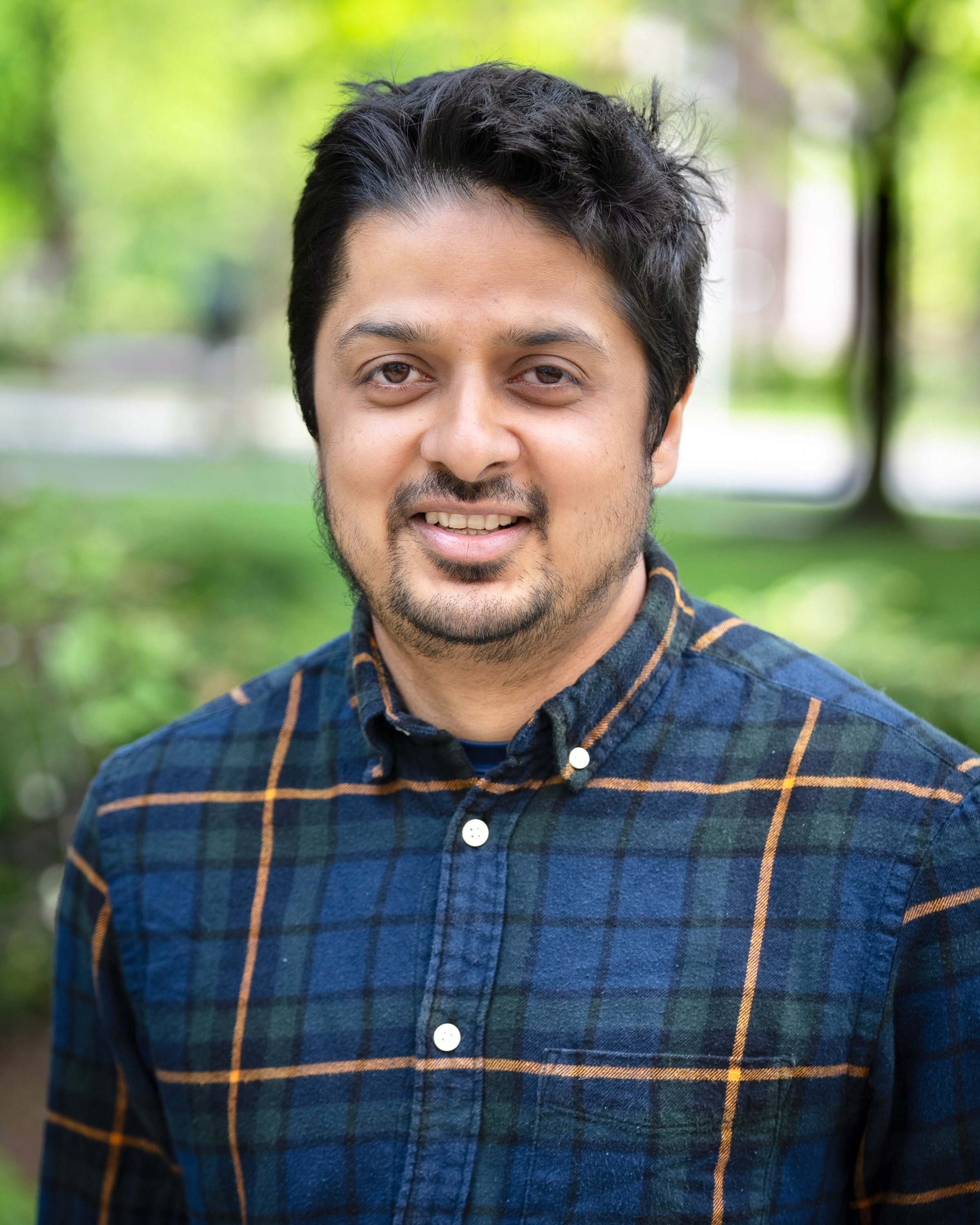
Dr. Jaya (J) Nepal is an early-career researcher with PhD in Soil and Water Sciences from University of Florida. His PhD work evaluated different biochar and carbon nanoparticles as organic amendments for field crop production in acidic-sandy soils of Florida with a research lens in soil, plant and environment fertility-health continuum. In his postdoctoral experiences, he has continued research in organic cereal production systems (NY, Cornell University) and currently in vegetable production system (PA, Penn State University) with main objective of understanding how agricultural management systems can be modified/designed with a “soil health” focus while balancing productivity. Jaya’s work particularly embraces the complexity and uniqueness of each agro-ecosystem and is interested in adapting the concept of soil health with a context-based approach. Jaya is particularly interested in how ecological tools such as cover crops, biochar, tillage practices can be evaluated and adapted to fit the specific goals of each farm.
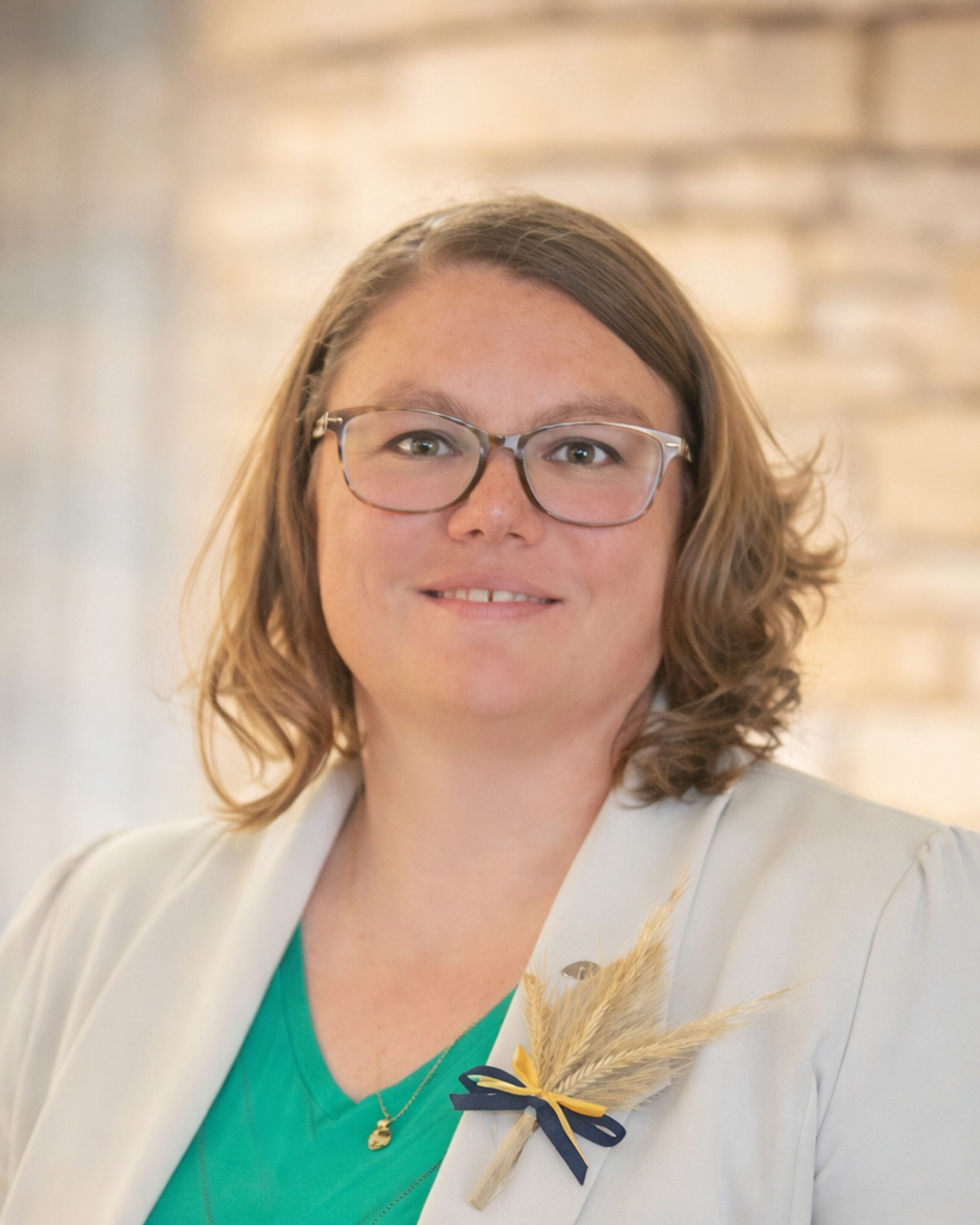
Leslie is an Animal Manure Management Extension Educator at the University of Nebraska-Lincoln. Leslie leads Nebraska’s online manure management course and coordinates the state’s annual manure trainings, along with other manure-focused Extension programming. Leslie serves on the leadership team and as a webinar co-coordinator for the Livestock and Poultry Environmental Learning Community (LPELC; https://lpelc.org). Leslie also serves on the leadership team for the Soil Health Nexus regional workgroup (https://soilhealthnexus.org).
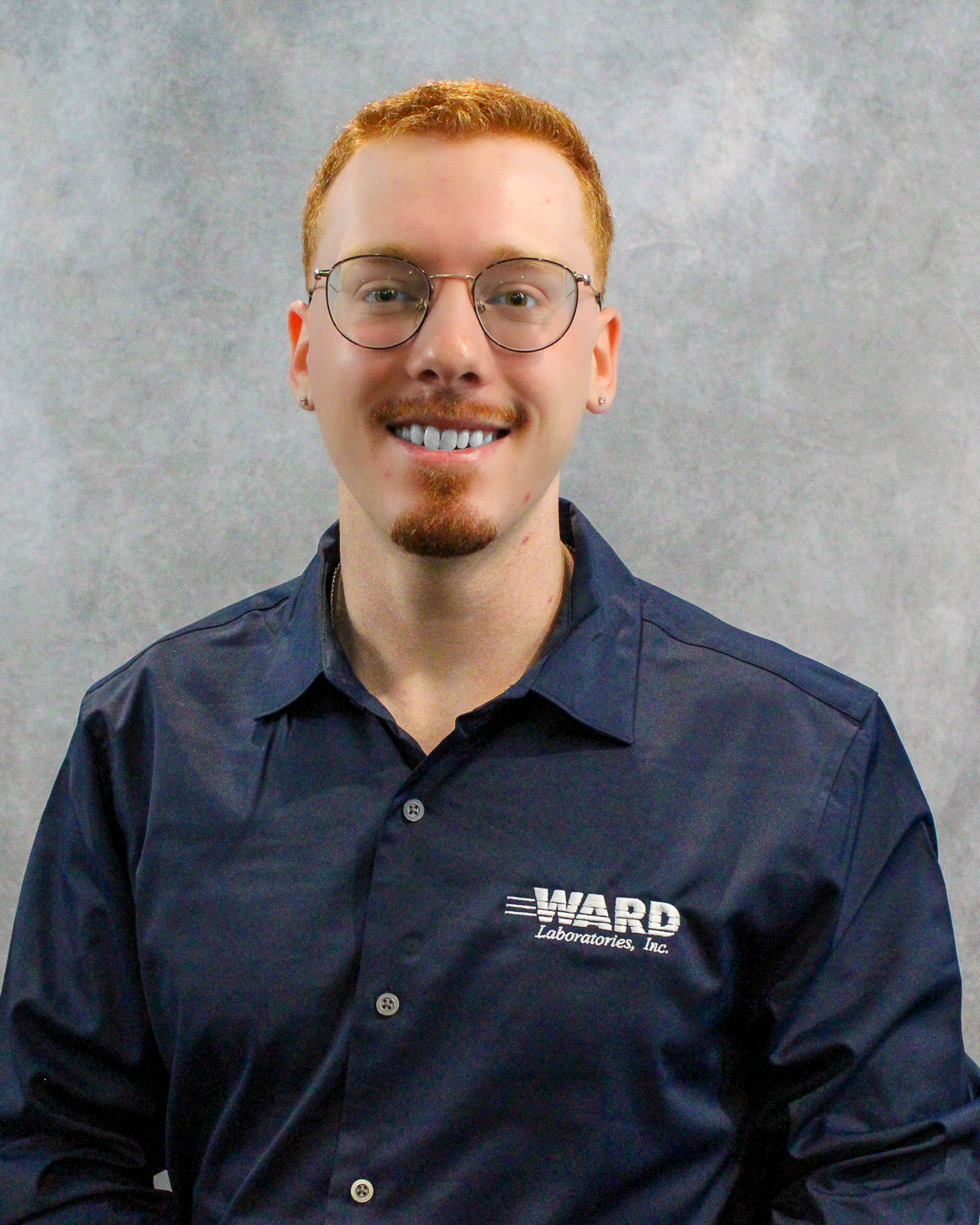
Jonathan Kerman is a Soil Scientist and Agronomic Advisor at Ward Laboratories, where he helps growers, researchers, and industry partners translate complex biogeochemical data into clear, practical field decisions. His work connects laboratory science with applied agronomy, with particular emphasis on nutrient cycling, soil health assessment, water quality, and soil-plant-microbe interactions.
Kerman developed his research foundation at Texas A&M University, studying nutrient cycling and soil structure. Using X-ray computed tomography, he examined soil pore architecture and aggregate structure to understand how physical conditions shape water movement, nutrient availability, and microbial habitat. He brings that systems perspective to recommendations designed to be scientifically grounded and operationally realistic.
Dr. Jed Grow is an Agronomist and Soil Scientist at AGVISE Laboratories — one of the largest soil testing labs in the Northern Plains, serving producers, crop consultants, and ag retailers across the United States and Canada. He holds a PhD in Plant Sciences from North Dakota State University along with CCA and 4R Nutrient Management Specialist certifications.
His path into agriculture started in Peru, where two years of service work exposed him to the realities of food insecurity and pointed him toward applied plant science. He returned to complete an undergraduate degree in genetics and biotechnology, working on quinoa variety breeding for a humanitarian project, and later earned his master's and doctorate at NDSU, with research focused on potato management and reducing losses from potato early die disease.
Outside of the lab, Jed is a devoted husband and father of four, a hockey and curling player, and a lifelong potato enthusiast — both scientifically and at the dinner table.
On Soil Health Exchange, Jed helps producers translate soil and plant tissue data into practical, field-tested management decisions.
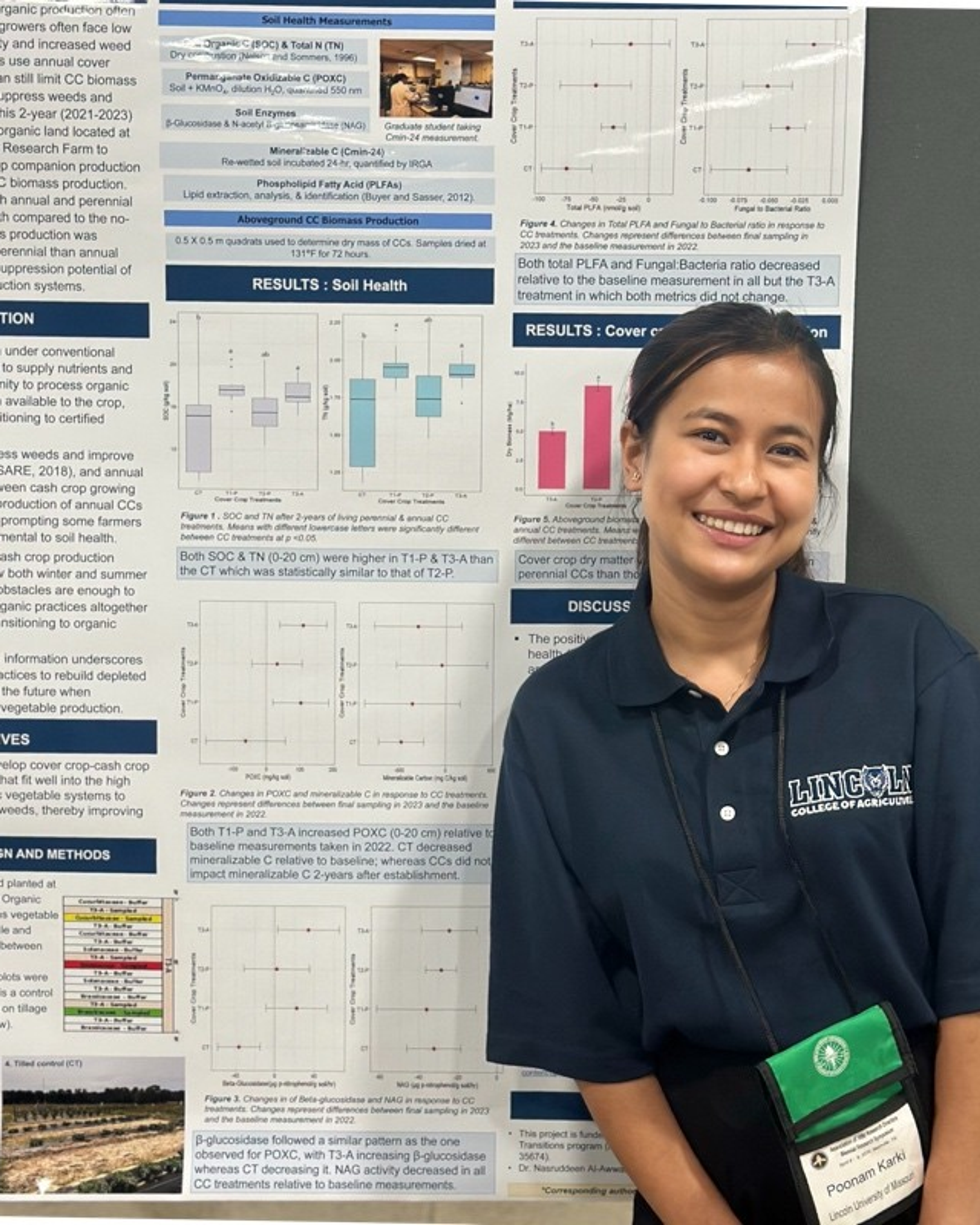
Poonam Karki is a Ph.D. student and Graduate Teaching Assistant at Saint Louis University, where her research focuses on soil microbial ecology, nitrogen and carbon cycling, soil health, and sustainable agriculture. Her current research interests center on understanding how agricultural management influences soil microbial communities, nitrogen-cycling microorganisms, nutrient transformations, and greenhouse gas emissions. Her work aims to connect microbial and molecular approaches with soil health measurements to better understand the mechanisms regulating nutrient cycling and ecosystem function.
Dr. Julia Barra Netto-Ferreira is Assistant Professor of Agronomy and Agroecosystem Health at the University of Maine, and Research Director of the Analytical Laboratory and Maine Soil Testing Service; the lab that analyzes soils for producers across the state. Her research focuses on management strategies that integrate soil health, nutrient management, and regenerative agriculture to support sustainable agro-ecosystems. Current projects include refining irrigation management for wild blueberries, fine-tuning nitrogen use efficiency for potatoes across the Northeast, and supporting the development of organic-based fertilizers in Brazil. Julia holds a PhD in Soil, Water, and Ecosystem Sciences from the University of Florida and brings a decade of published work on nutrient cycling, organo-mineral fertilizers, cover crop systems, and biosolid-based nutrient sources. On Soil Health Exchange, she offers both the producer-facing perspective of someone running a state soil testing lab and the research rigor of a working agronomist.
Dr. Dawood Atta is a Research Coordinator at the University of Florida and a crop simulation modeler whose work connects soil biology, nutrient cycling, and long-term productivity to the real decisions producers make on the ground. He completed his PhD in Agricultural and Biological Engineering at UF in December 2025, where he used the DSSAT modeling framework to examine how genotype, environment, and management choices drive soil carbon and nitrogen dynamics across multi-site field experiments spanning peanut, barley, wheat, and rice systems in the US and Pakistan.His current work focuses on controlled-release fertilizers, greenhouse gas emissions, and life cycle assessment of soil management strategies. On Soil Health Exchange, he translates the numbers into decisions that make sense at the farm level.
Focus: Crop Simulation Modeling (DSSAT), Nitrogen Management, Soil Carbon Dynamics, Life Cycle Assessment, Controlled-Release Fertilizers
Joseph Amsili, PhD, is Director of the Cornell Soil Health Program at Cornell University, where he leads applied research, extension, and farmer engagement to strengthen soil health and climate resilience across New York State.
His work focuses on soil health assessment and interpretation, soil organic carbon, and cover crops. He helped develop New York’s Production Environment Soil Health Benchmarks and has contributed to the Soil Health Assessment Protocol and Evaluation (SHAPE) framework.
At Soil Health Exchange, Joseph will help turn rigorous soil health science into practical guidance for the questions farmers and agricultural professionals face—and we’re delighted to have his thoughtful, field-grounded voice in our community.
Student / emerging professional · Researcher / faculty
University
University of Tennessee, Knoxville
Tennessee, United States
Annual row & field cropsVegetables & diversified horticulture+1
Cover Crop ManagementIntegrated Pest ManagementForage & Perennial SystemsOrganic Horticulture
Keagan Swilling is based at the University of Tennessee Institute of Agriculture, where his work focuses on native grassland ecology, management, and horticulture. His background runs across organic horticulture and integrated pest management, with recent projects centered on establishing native warm-season perennial grasses as organic livestock forage — part of a USDA-funded effort to give Southeast cattle producers a summer-productive alternative to tall fescue.
Native warm-season grasses are famously difficult to establish, and Keagan has the field experience to walk producers through the process honestly. On Soil Health Exchange, he is glad to help with any questions on native grass establishment — and on organic crop pest management more broadly.
Mukesh is a graduate researcher in the Department of Environmental Science at Tennessee State University, where his work spans soil health, cover crops, forage systems, and precision agriculture across both annual and perennial cropping systems. His research includes on-farm studies on cover crop performance, alfalfa-based forage production, and insect pollinator relationships — giving him direct field experience with the management decisions farmers face in practice.
What distinguishes Mukesh's perspective is that his research is conducted on working farms, not just experiment stations — meaning his answers are grounded in the variability and constraints of real agricultural systems. He joined Soil Health Exchange to bring those findings directly to farmers across the country.
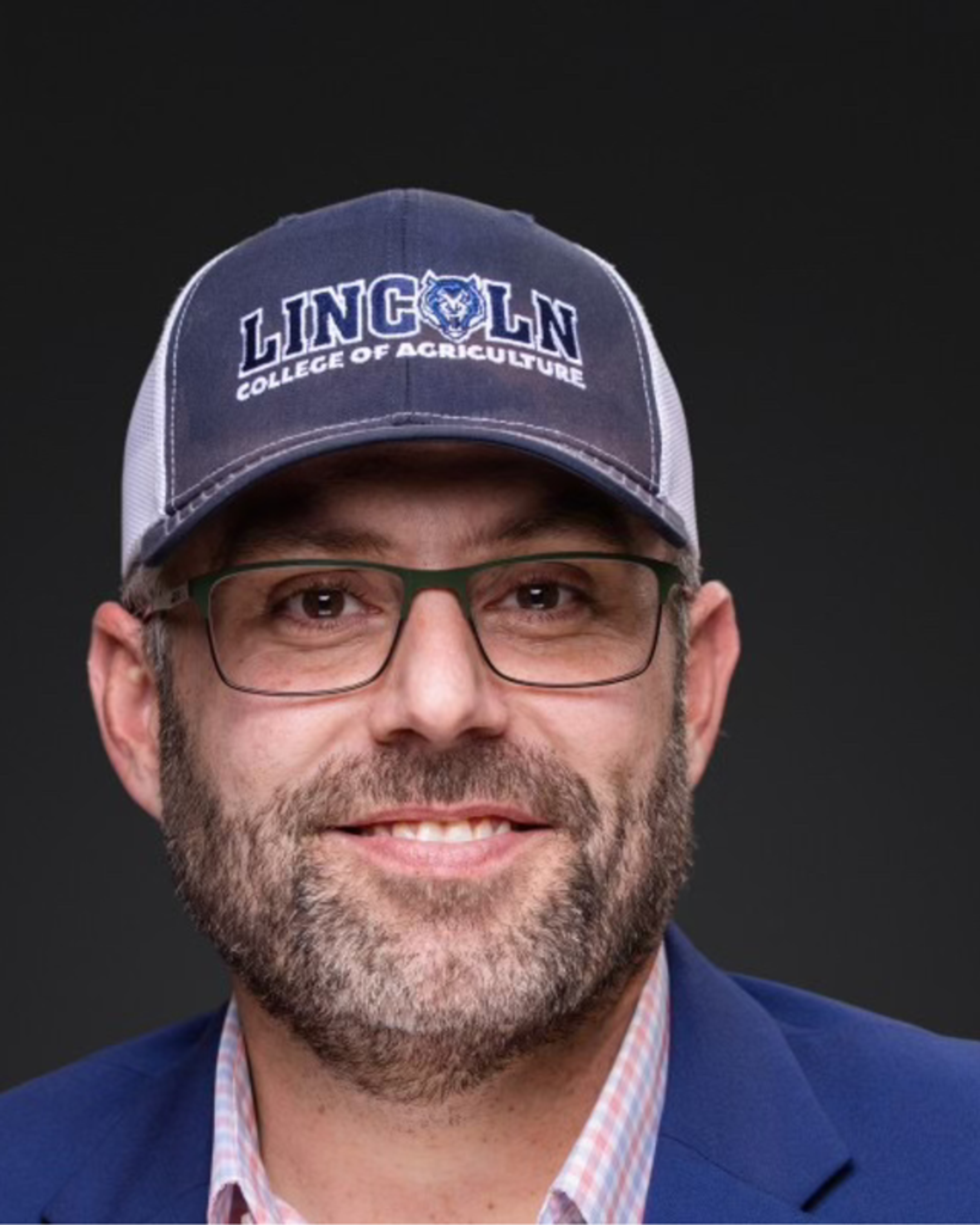
Matthew Adler is a Graduate Research Assistant at Lincoln University of Missouri and the operator of Elm Spring Farm in central Missouri, where he runs a working research and demonstration site focused on regenerative grazing, small ruminants, and rebuilding soil function.
Before agriculture, Matthew completed an MBA and served in nuclear weapons operations with the Department of Defense and Department of Energy — a background that shaped how he approaches complex systems, risk, and execution. He now applies that operational mindset to on-farm research, building low-cost monitoring systems that give producers real data on grazing pressure, regrowth, and overall performance.
His work centers on measurement, not intuition. Resilient systems, not hopeful ones.
Focus: Adaptive Grazing, Small Ruminant Systems, Forage Management, Pasture Monitoring
Prashasti Agarwal is a Postdoctoral Researcher in Soil Health & Nutrient Management at the University of Arkansas Division of Agriculture. Her research examines how management decisions such as cover crops, tillage, irrigation, rotations, and nutrient management, shape soil health, carbon and nitrogen cycling, and long-term productivity in row-crop systems. She works at the intersection of field agronomy, soil biology, and data analysis, with a particular focus on soil microbial ecology, biological indicators of soil health, and translating soil health frameworks into decisions producers can actually use in-season.
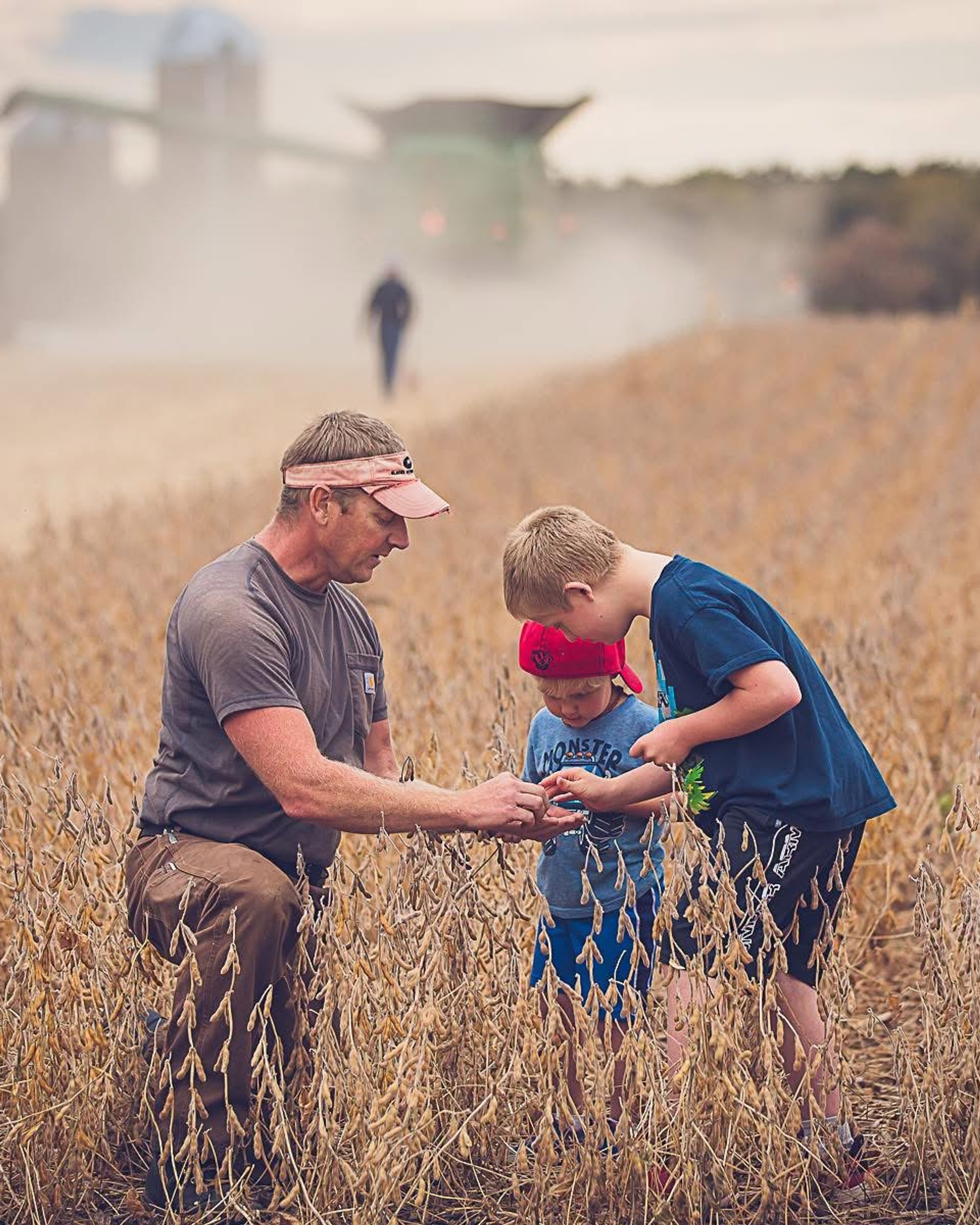
Joe Ailts is an independent agronomist and the founder of Ailts Agronomy in Wisconsin, advising farmers across the north-central region — Wisconsin, Minnesota, South Dakota, and North Dakota.
Joe spent eight years as a field agronomist with Pioneer before going independent five years ago. The practice centers on conservation systems: cover crop management, reduced tillage and no-till, strategies for reducing synthetic fertilizer inputs, and the analysis of biological products. Joe is a Wisconsin Certified Crop Adviser with a sustainability specialty, and a regenerative hobby farmer.
A particular interest is the role of mycorrhizal fungi in crop production systems. On Soil Health Exchange, Joe brings the view from the field — an adviser working with row-crop and vegetable growers week to week, answering with what holds up on real ground.
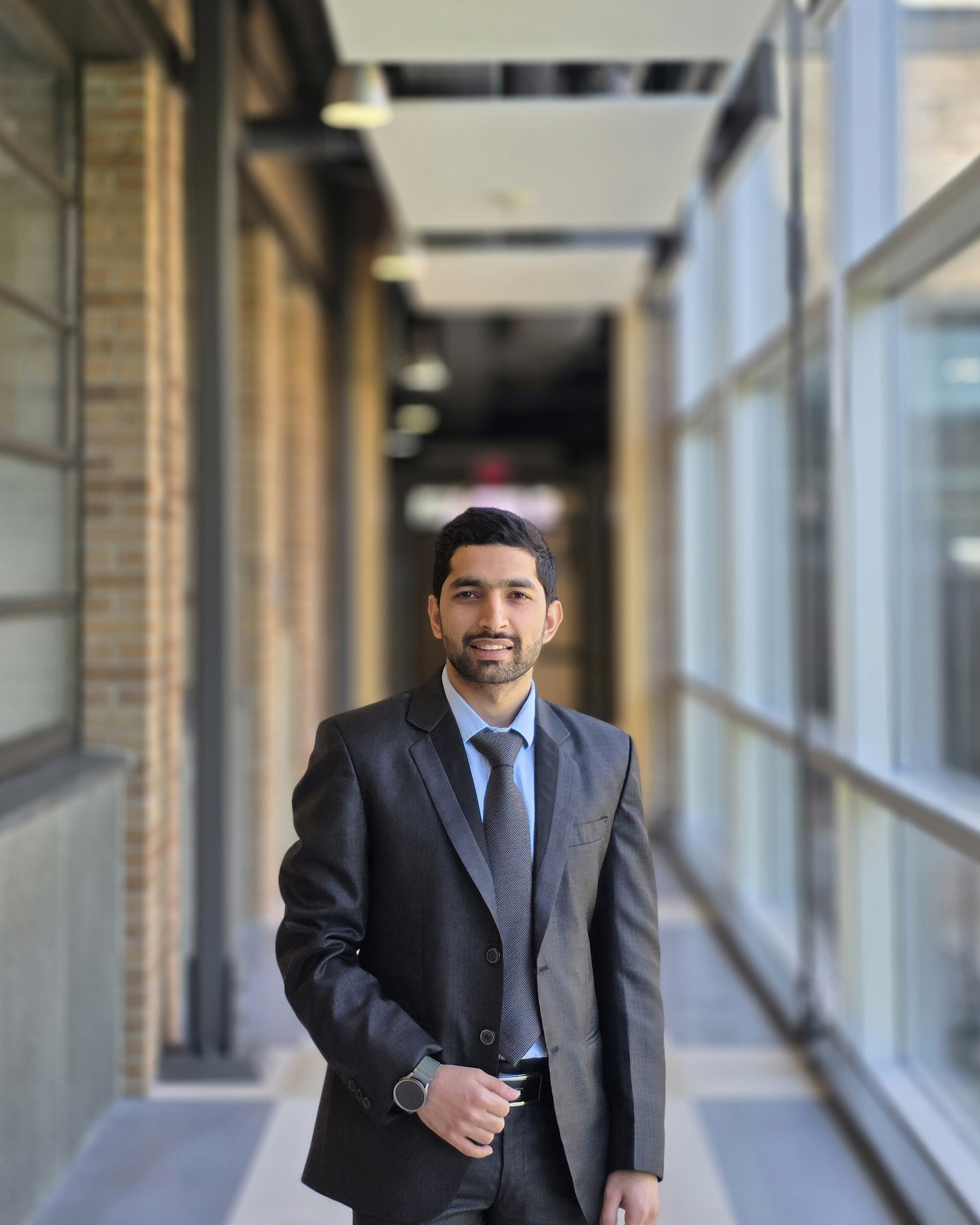
Madhusudhan Adhikari is a Research Assistant at Montana State University whose work bridges two distinct research arcs: nitrogen and cover crop management in Midwest row-crop systems, and precision weed management in Montana fallow fields. In the Midwest, his research focuses on how nitrogen timing, cover crop selection, and management interactions drive input use efficiency, environmental losses, and farm profitability in corn-soybean-wheat rotations. In Montana, he applies drone and satellite imagery to map weed distributions and generate prescription maps for targeted herbicide application — reducing chemical input costs while improving soil and environmental quality.
He is most energized working with producers on nitrogen strategy in corn-soy-wheat systems, winter and summer cover crop selection, and precision weed management in Northern Plains dryland regions.
Focus: Nitrogen Management, Cover Crop Selection, Precision Weed Management, Remote Sensing (Drone and Satellite), Corn-Soybean-Wheat Systems
Dr. Merilynn Schantz is a Rangeland Research Scientist at the USDA-ARS, Grassland, Soil and Water Research Laboratory in Temple, TX. Dr. Schantz’s research focuses on developing tools and assessing management strategies for advancing grassland science and management. Her current research includes developing seasonal climate and plant production forecasting tools for agricultural management applications, assessing large scale grazing land management strategies on the spatiotemporal variability of ecosystem structure and function, and evaluating the utility of grazed forages for improving plant production, animal nutrition, and soil health. Other research areas include weather and climate modeling, precision management, rangeland restoration, invasive species, and ecological succession. Dr. Schantz is a member of three professional societies; the Society for Range Management, the Soil Water Conservation Society, and the Crop Science Society of America where she serves on multiple committees. As a scientist at the Grassland, Soil, and Water Research Station, Dr. Schantz serves as a member of the USDA-Long Term Agroecosystem Research (LTAR) and Conservation Effects Assessment Program (CEAP) networks where she participates in four LTAR committees, is the Texas Gulf site lead for the LTAR common grazing land study and is currently leading the LTAR Weather and Climate working group. Dr. Schantz is also currently serving as the Managing Editor for Rangeland Ecology and Management.
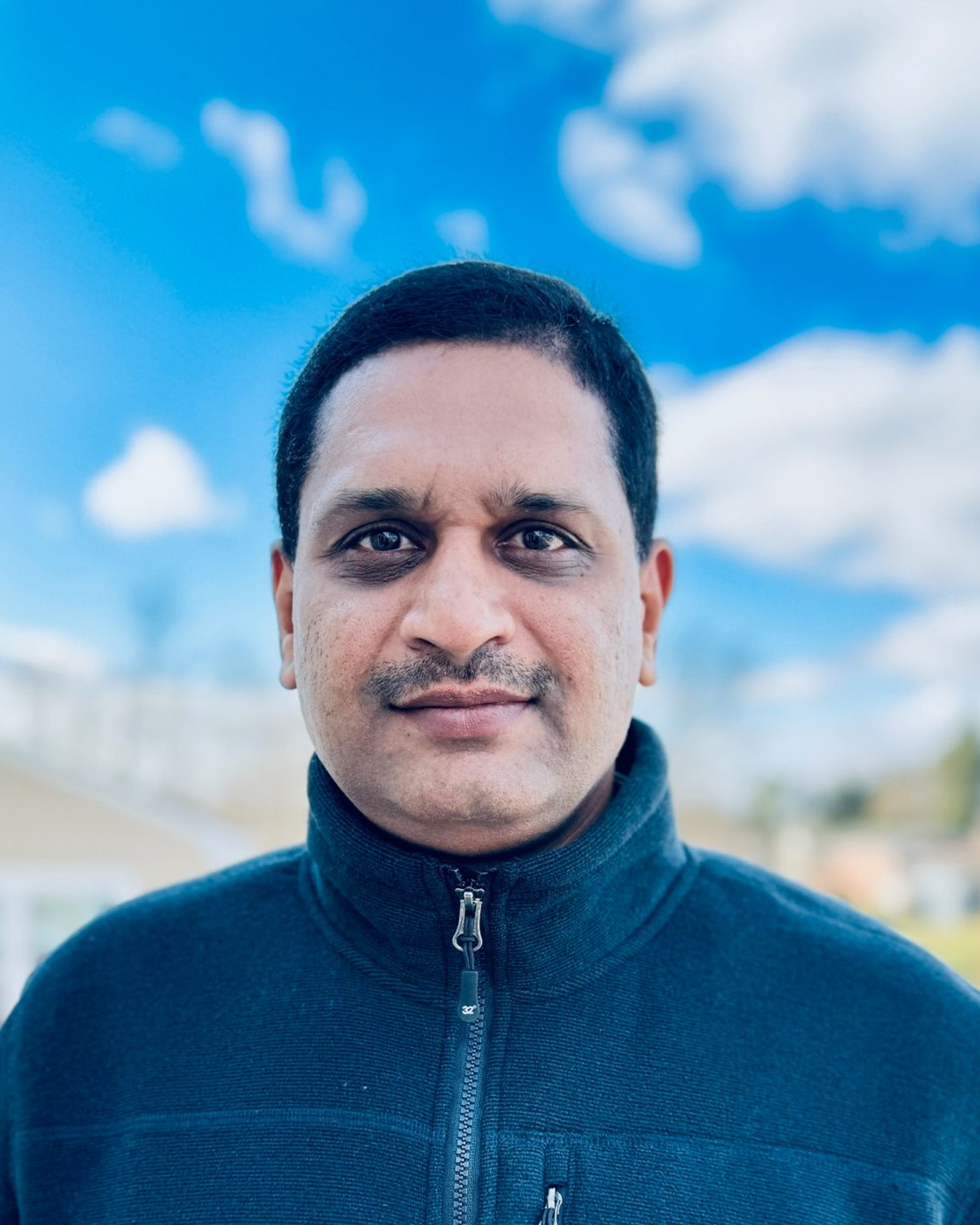
Dr. Vijay Chaganti is Assistant Professor at Virginia Tech's School of Plant and Environmental Sciences, with a joint research and extension appointment focused on soil health management through integrating regenerative practices, agricultural byproducts, and waste-stream amendments. His current work centers on the application of biochar and composts and their integration with cover crops for measurable soil health improvements. Related projects examine the combined effects of biosolids and biochar on soil health and the management of emerging contaminants in land-applied byproducts. His broader research spans the beneficial reuse of animal manures, food and paper processing sludges, and vegetative wastes across both agricultural and urban landscapes.
On Soil Health Exchange, he is glad to help producers with questions on soil health practices, biochar and compost, and the responsible use of biosolids and agricultural amendments.
Dr. Waleed Asghar brings expertise in soil microbiology, microbial ecology, plant–microbe interactions, and sustainable agricultural systems to the Soil Health Exchange expert network. His work focuses on understanding how beneficial soil microorganisms influence nutrient cycling, plant growth, soil health, and the long-term resilience of cropping systems.
Dr. Asghar earned his Ph.D. in Soil Microbiology in Japan, where his research examined the diversity and functional roles of beneficial soil microorganisms. His doctoral work included microbial isolation and characterization, molecular microbiology, soil biological analyses, and evaluation of microbial functions that support sustainable crop production.
Following his Ph.D., Dr. Asghar joined Oklahoma State University as a Postdoctoral Research Scholar, where he studied soil microbiomes, bioorganic fertilizers, microbial inoculants, and biological strategies to improve crop productivity and soil resilience. He is currently a Postdoctoral Researcher at North Carolina State University, where his work continues to explore how soil microbial communities shape nutrient cycling, soil health, and plant performance.
Through his laboratory, greenhouse, and field-based research experience, Dr. Asghar connects microbial ecology with practical questions in agronomy and soil management. His expertise helps strengthen SHE’s mission of translating soil health science into useful, field-relevant knowledge for farmers, researchers, and agricultural professionals.
Farmers, ranchers, foresters, land stewards, advisers, educators, and researchers all hold part of the soil-health picture. Contribute on your own schedule, choose the land systems and topics you know, and build a public record of your impact.