Science-based
Every recommendation is grounded in peer-reviewed research and proven agronomic principles.
About Soil Health Exchange
We bridge agricultural research and practical farm management, so expert soil health knowledge reaches every producer: answers from verified experts, research-backed articles, and a farm funding library.
Our story
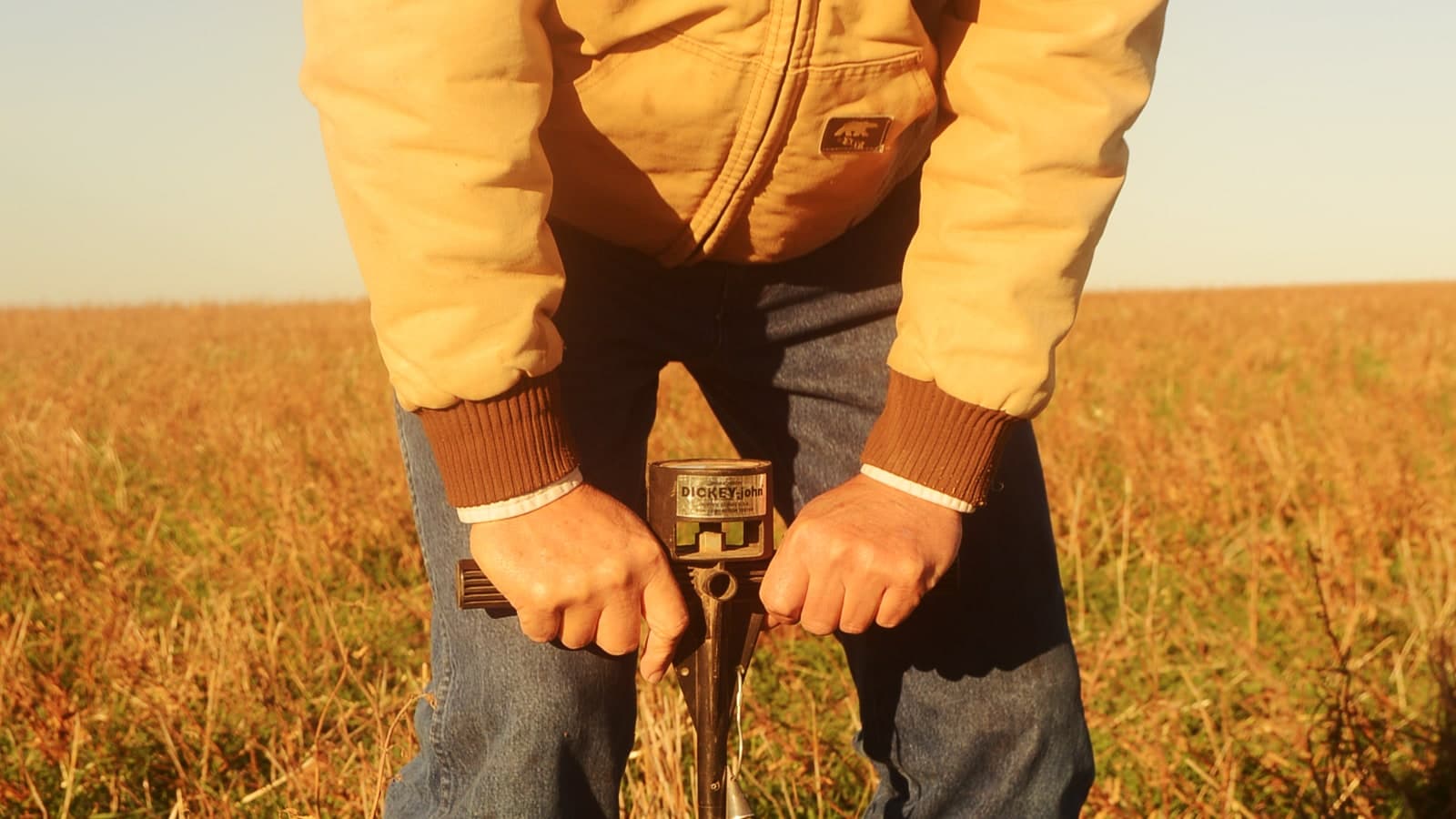
The Soil Health Exchange launched in September 2023 through the University of Nebraska-Lincoln’s CropWatch, giving producers and agricultural stakeholders a direct line to Nebraska’s leading soil health experts.
The mission was clear from the start: bridge the gap between discoveries made in research labs and the practices used in the field, and connect the scientists, specialists, and producers who turn research into results.
After a move to a new position, the founder rebuilt the platform independently to carry that mission further: expert soil health knowledge, easy to reach, with practical guidance for every farmer.
The first answers, published on CropWatch in 2023
“This forum represents a pioneering step in bridging the gap between research, extension and on-the-ground practices.”
Our values
Every recommendation is grounded in peer-reviewed research and proven agronomic principles.
We focus on solutions that are realistic and implementable on working farms.
Knowledge is shared openly so that everyone can benefit from collective learning.
We promote practices that improve soil health for long-term productivity and environmental stewardship.
How we work
Share your specific soil challenge with its location, crop, soil conditions, and management. The more detail you give, the better the answer fits your field.
The founder and the volunteer expert network review each question, match it to your conditions, and answer from current science and practical experience.
Answered questions are published in Field Answers, a searchable library that helps the next farmer with the same problem.
Meet the founder
Founder & Soil Scientist
Soil scientist specializing in soil health, nutrient cycling, and sustainable agriculture. He launched the Soil Health Exchange through the University of Nebraska-Lincoln’s CropWatch in 2023 to give producers expert answers to their soil challenges, and now continues that mission independently.
Want to contribute? Agronomists, soil scientists, and extension specialists who want to help farmers succeed are welcome in the expert network.
Part of a larger vision
Soil Health Exchange is one of five platforms our team builds for one season of farming: OpenAgData for research connected to place, FarmDeck for inputs and services, FieldLog for the field record, and TerraValue for what the results are worth.
Bring us your field
A named expert answers it, and the answer is published so the next producer with the same problem can find it.