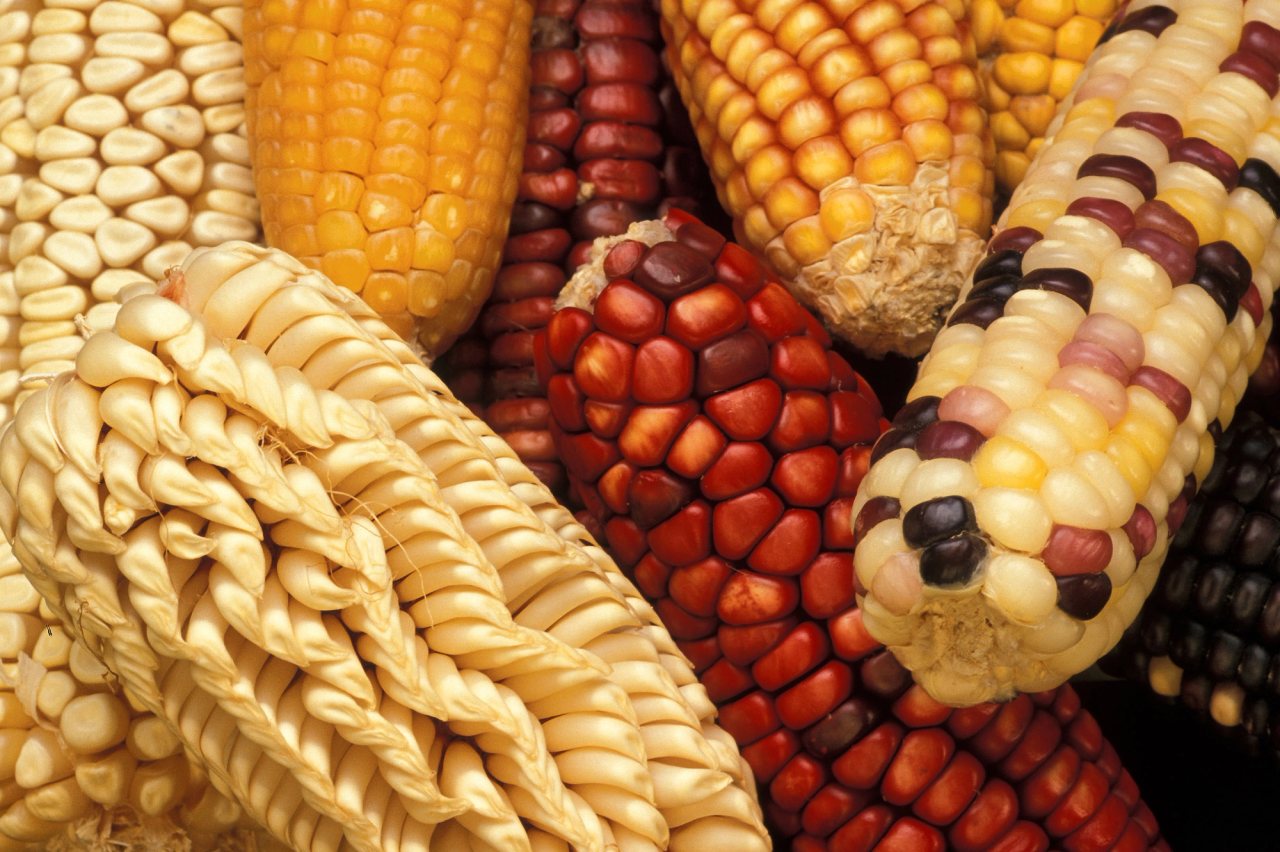
In March 2000, Cora Baker sent a letter to Dream of Wild Health. The Potawatomi elder had spent years gardening and saving seeds near the Wisconsin Dells. People who saw her garden brought seeds for her to care for. With help from her great-granddaughter, she passed corn, beans, squash, sunflowers, and other plants to the Minnesota organization.[1]
The gift carried a question into the next generation: who would keep growing them?
Today, Dream of Wild Health grows food, stewards seeds, and teaches Native youth on its farm in Hugo, Minnesota. Its work makes a larger story tangible. Indigenous agriculture continues through the people who plant, observe, cook, teach, and decide how their communities will eat.[2][3]
A farm connects seeds with the people they feed
Dream of Wild Health is an intertribal organization serving the Minneapolis–Saint Paul Native community. Its 30-acre farm raises vegetables and fruit alongside wild plants, a berry orchard, and a pollinator meadow. Produce reaches families through Indigenous Food Shares, community organizations, and the Four Sisters Farmers Market.[2]
Those routes matter. A crop growing in a field becomes food someone can take home, prepare, and share. The organization connects access to Indigenous foods with the knowledge and relationships needed to keep producing them.[2]
Its seed team also works with communities of origin. Dream of Wild Health describes seed rematriation as returning seeds to their home communities, including growing and sharing seeds that those communities have stopped cultivating. Keeping seed alive means making another planting possible.[1]
The next generation learns by doing
At Dream of Wild Health, young people take part in planting, harvesting, cooking, and seed saving. Garden Warriors brings teenagers into farm and kitchen work, with paid stipends for their work experience. Youth Leaders extends participation into year-round leadership and advocacy.[3]
This gives agricultural knowledge a route from one generation to another. A young person can follow food from the growing plant to a meal, learn from the people tending it, and take on responsibility in the community. The farm's educational purpose is built into its work.[3]
For anyone concerned about the future of farming, that is a practical investment to recognize: land where learning can happen, experienced people with time to teach, and opportunities for young people to participate.
Soil knowledge belongs to a place
Hopi farmer and University of Arizona scholar Michael Kotutwa Johnson offers another view of that continuity. In the commentary he wrote with Emily Rockey, soil stewardship begins with detailed decisions about a particular landscape. After harvest, Johnson leaves corn stalks to catch winter snow. Planting between the previous year's rows connects the next crop with moisture gathered there.[4]
Our companion article, Indigenous Soil Stewardship Is Foundational Science, follows their argument: agricultural science should credit Indigenous knowledge and support the communities sustaining it. Their account gives the management decisions their history, their place, and their knowledge holders.[4]
The connection to soil health is concrete. Before selecting a practice, understand how water moves through the field, what the soil holds, and what people have learned there over repeated seasons. Johnson's Hopi farming experience and Dream of Wild Health's intertribal Minnesota work each deserve that local attention.
Living knowledge makes room for new questions
Continuity also involves decisions about change. A July 2025 University of Arizona report describes Johnson and students testing irrigation approaches for Indigenous crops in the Southwest. The project compared drip, flood, and subsurface irrigation with an unirrigated control; Rockey tracked plant stress, flowering, and soil moisture. The team was awaiting its first year's harvest when the account appeared.[5]
Johnson's questions reached beyond crop performance. He asked about long-term expense, dependence on new systems, and consequences for community life. Those concerns make the purpose of an experiment part of its design.[5]
That is a useful discipline for agricultural research: agree on what success means with the people who will live with the result. A measurement becomes more useful when it answers a question the community actually needs to resolve.
Seed stewardship needs people and resources
The Indigenous Seed Keepers Network, a program of the Native American Food Sovereignty Alliance, supports growers and seed keepers through education, technical assistance, gatherings, and resources for community seed programs. Its work includes seed rematriation and guidance on ethical stewardship.[6]
The network connects regional efforts while supporting communities' authority over their seeds and knowledge. Its stated concerns include protecting seeds from patenting and biopiracy. Food sovereignty, in this work, includes the ability to sustain Indigenous food systems and decide how seeds are cared for and shared.[6]
Recognition therefore has practical consequences for educators, researchers, and agricultural organizations. Name the community and knowledge holders behind the work. Learn from the public resources they choose to share. When proposing a collaboration, agree on its purpose, permission to use knowledge, credit, and benefits with the people involved.
Support can also go directly to Indigenous-led farming, seed, and youth programs. Their own websites explain their priorities and ways to participate. Start there, and follow the terms they set.
Keep the next planting possible
Cora Baker's seed gift continues through work: another crop grown, another harvest shared, another young person learning how to care for it. Johnson's field decisions carry knowledge through a different landscape and community.
Seeing Indigenous agriculture clearly means seeing those people making decisions today—and supporting their ability to keep planting and teaching on their own terms.