
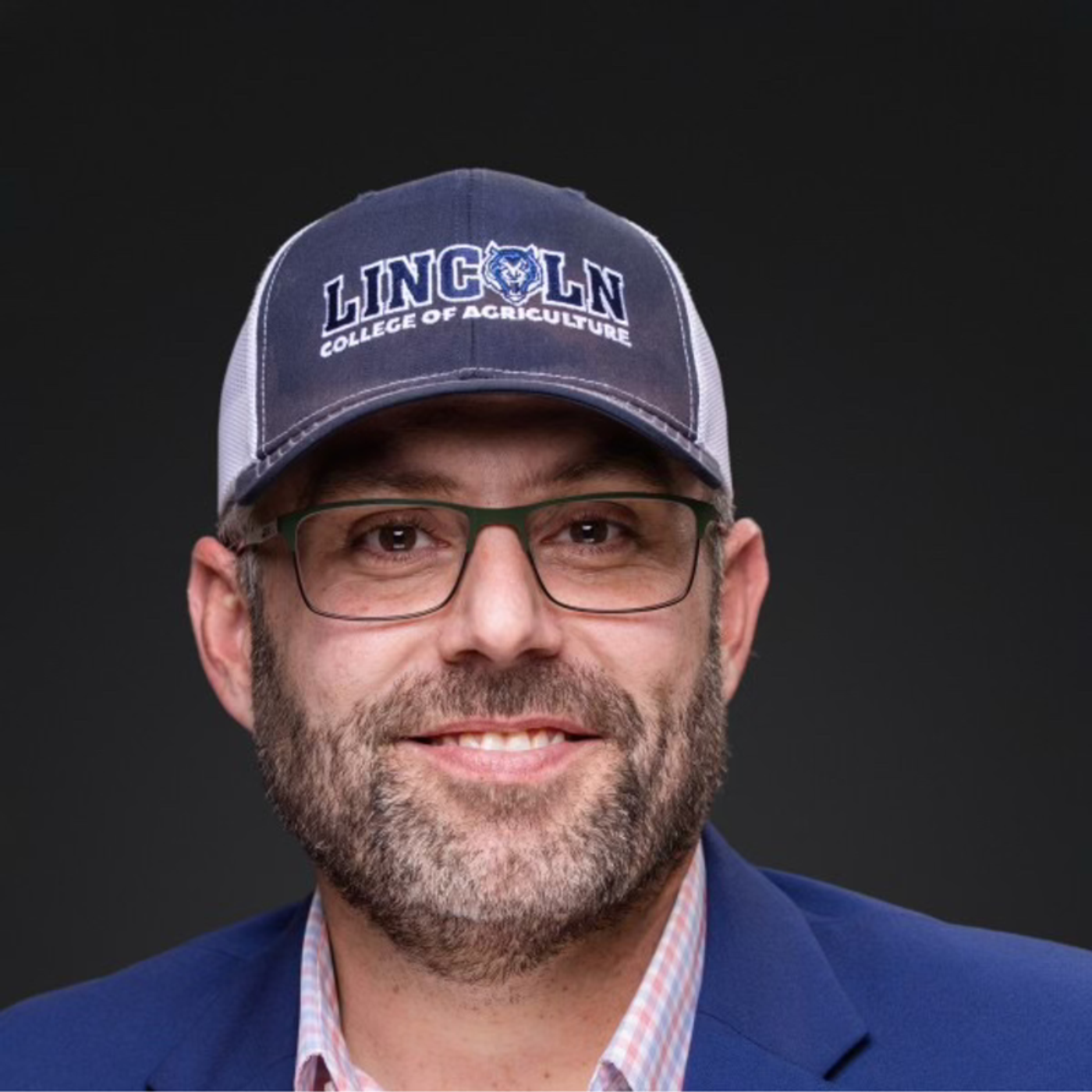
From the SHE editors
Move a flock, and the effects reach beyond the animals: which plants are grazed, how long they recover, and what the land can support next. Matt Adler brings that attention to consequences into farming and teaching. At Soil Health Exchange, we see a connection between caring for land and passing on what that work teaches us. Experience becomes more valuable when another farmer or a student can question it, try it, and learn from the result. Matt’s account follows that exchange into a college classroom, where service continues through care for the land and the people who will manage it.
Twenty years ago, I would not have guessed that my future involved putting GPS collars on goats and asking college students how they would farm a field.
But here we are.
I spent about 20 years supporting the nuclear weapons enterprise, first in the Air Force, then the Department of Energy, and later industry. Along the way, I worked in instruction, program management, and business development. The work required understanding how systems fit together and recognizing that decisions in one part of a system affect everything around it.
Agriculture gives me plenty of opportunities to keep learning that lesson.
An animal’s movement changes what gets grazed. Grazing changes what has a chance to recover. Soil conditions influence what grows next. Every decision carries consequences for the land, the livestock, and the person paying the bills.
That complexity pulled me in. The people have given me a reason to stay.
Finding purpose in the field
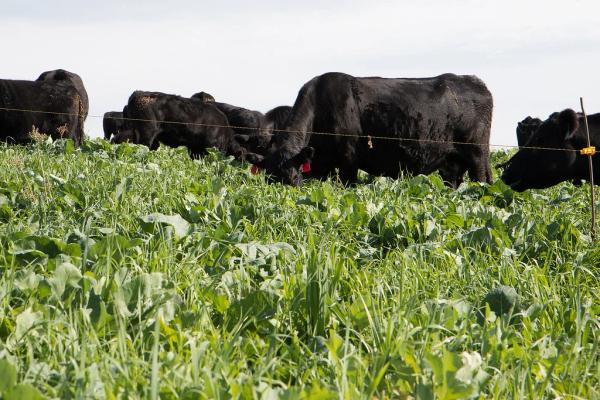
My graduate work at Lincoln University brought me into sustainable agriculture research, with a focus on using sheep and goats to reduce woody encroachment and promote native vegetation.
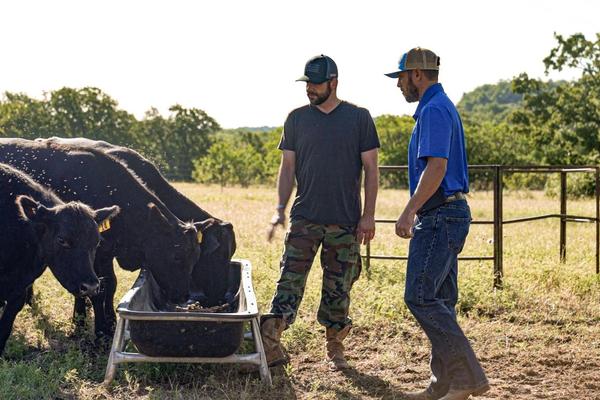
Working with livestock has a way of keeping you honest. A plan can look excellent on a screen, and a goat can find its weakness before lunch.
Virtual fencing became part of that work because I wanted more flexibility in where animals grazed and how long they stayed. Drone imagery opened another set of questions about vegetation, terrain, and how to document change.
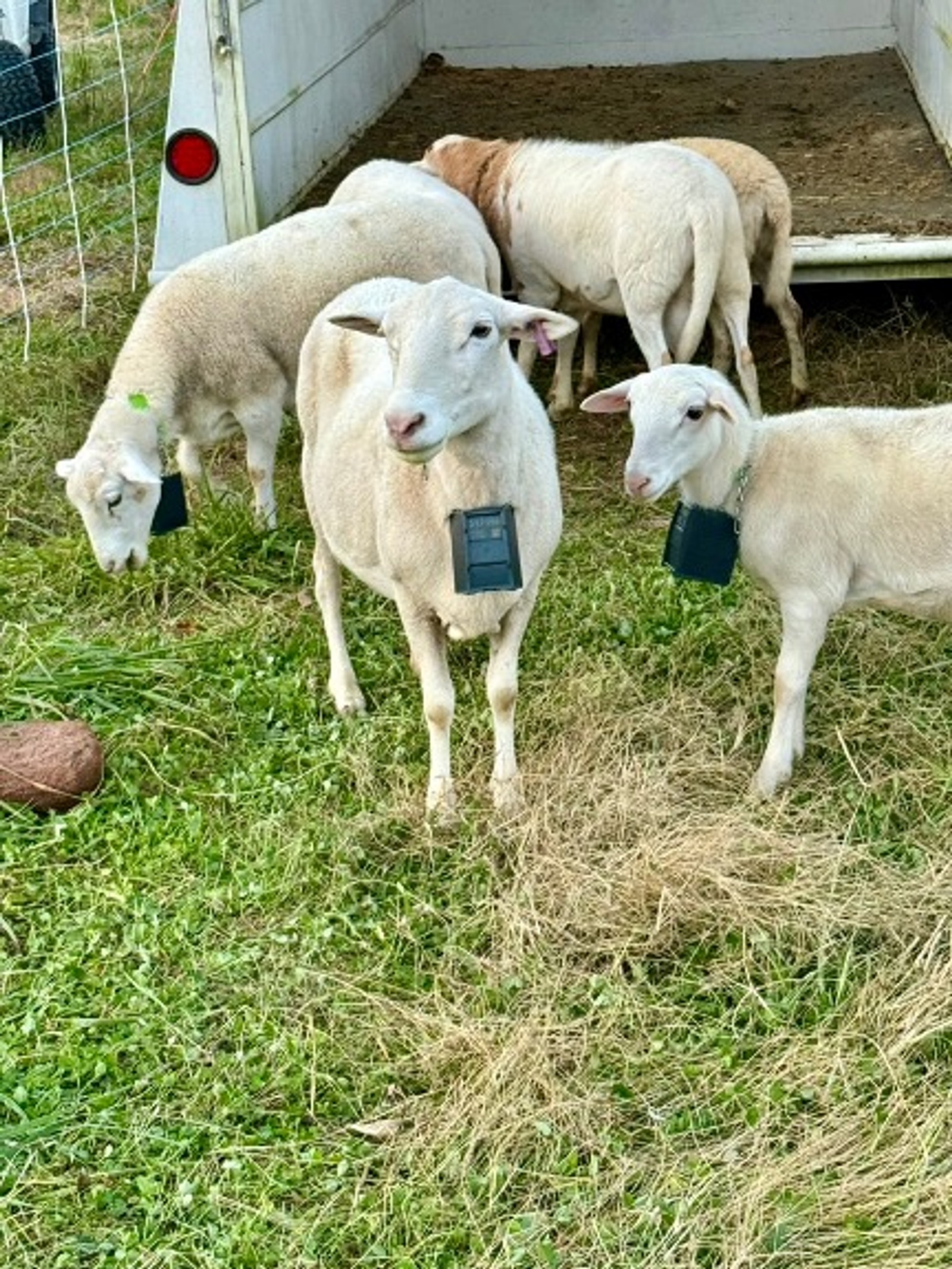
The questions keep getting more interesting. Can we connect animal movement with what is happening to the forage? Can we recognize a problem early enough to change our management? What information would actually help a producer make a better decision?
Those are the connections I want to keep exploring, with my boots on the ground and other people involved in the learning.
The classroom changed the direction
This fall, I began teaching agriculture at State Fair Community College in Sedalia, Missouri.
Many of my students bring experience from working farms. They have watched their families make decisions involving weather, equipment, livestock, and tight margins. That experience belongs in the conversation.
For a crop production assignment, I’m asking students to recommend how we should manage fields at the college farm. They have to connect what they are learning with an actual place and explain their reasoning.
Why that crop? What does the soil tell us? What equipment would we need? What would it cost? What would make us change the plan?
We’ve also been using plants in the greenhouse to practice observation and identification, including exploring AI as a tool students need to question and verify.
The approach I keep coming back to is simple:
Observe. Measure. Map. Decide. Act. Check again.
Recently, a student told me I was their favorite teacher. That stayed with me. Teaching gives me a chance to help someone see their own ability and put it to work. I’m realizing how much that matters to me.
State Fair Community College
From the SHE editors: Matt teaches agriculture as an adjunct at State Fair Community College in Sedalia, Missouri.[6] SFCC combines agricultural study with practical work on a 200-acre campus farm, in greenhouses and laboratories, and on field test plots. Its pathways include agronomy, animal science, horticulture, agribusiness, and conservation.[4] That is the setting for the crop-planning assignment Matt describes and the grazing work he hopes to develop with students. Veterans considering further study can contact the college’s Veteran Services office for an education-benefit checklist and support.[5]
Explore SFCC’s agriculture programs · Connect with SFCC Veteran Services
Making room for what matters
I’ve also had to acknowledge that I cannot do everything at once.
I’m taking a break from my graduate research assistant work and master’s program at Lincoln University to focus on teaching. Research has helped shape this direction, and the questions that brought me into it remain central to my work.
But time and attention are real constraints. I want to give my students the preparation and energy they deserve.
The circumstances around my research have changed, and new opportunities are developing at State Fair. The college wants my sheep and goats on campus and is supporting opportunities to connect that work with students and the farm.
Having people see value in your ideas and help make room for them means a lot.
Bringing the flock into the conversation
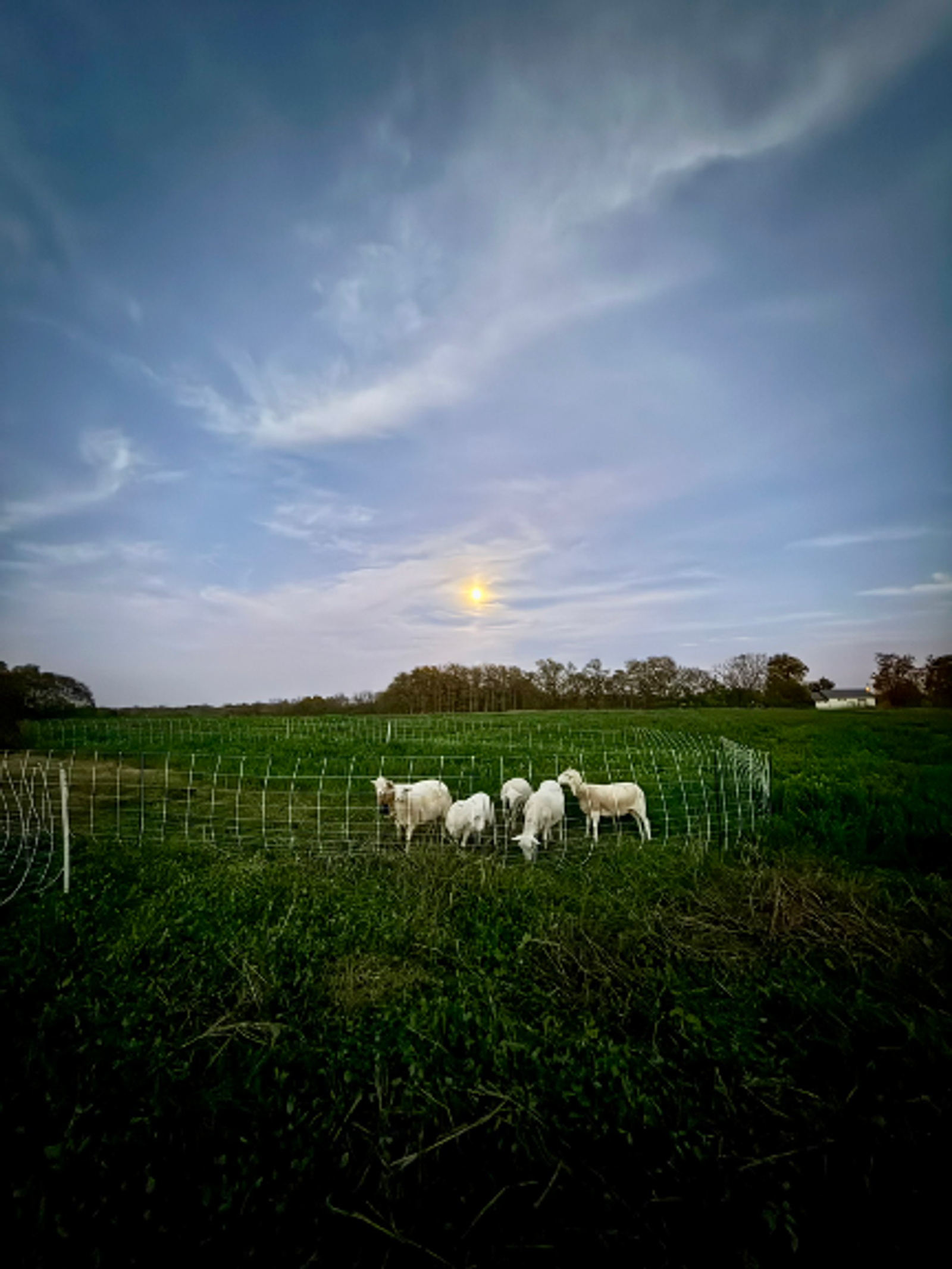
We’re planning to bring the flock to the college farm, where students can help explore targeted grazing and virtual fencing firsthand.
There are areas that raise practical management questions: brushy edges, fence lines, and ground that does not fit neatly into a crop or hay operation. Those places give us a reason to discuss what livestock might accomplish, what management they require, and how we would judge the results.
My goal is to make the farm a place where students, producers, educators, and technology developers can learn together. That includes documenting what works, what needs adjustment, and what still needs an answer.
On November 17, I’ll be sharing this work at Ag Forward, hosted by Central Bank in partnership with State Fair Community College. It’s an opportunity to bring virtual fencing into a community conversation about useful technology and the future of agriculture.
A message to other veterans
Around Veterans Day, I find myself thinking about how service continues as our lives change.
For me, agriculture and teaching have given that desire to contribute somewhere to go. There are animals depending on me, students asking good questions, and people willing to build something together.
To another veteran figuring out what comes next, my advice is to start with a place where you can be useful. Visit a farm. Take a class. Share a skill. Find people doing work you care about and get involved.
You do not need to have the entire next chapter figured out before taking the first step.
I’m still figuring out parts of mine. Some days involve livestock. Others involve a classroom, a map, or a conversation that opens a door I didn’t know was there.
What keeps me moving is the chance to help care for the land and prepare the people who will manage it after us.
Still serving. Just in different boots.
A companion resource from the SHE editors
Explore Resources for Veterans in Farming for training, farm finance, conservation assistance, business support, and farmer networks. Each listing includes its access requirements and a direct next step.
Discussion
No comments yet. Be the first to share your thoughts!