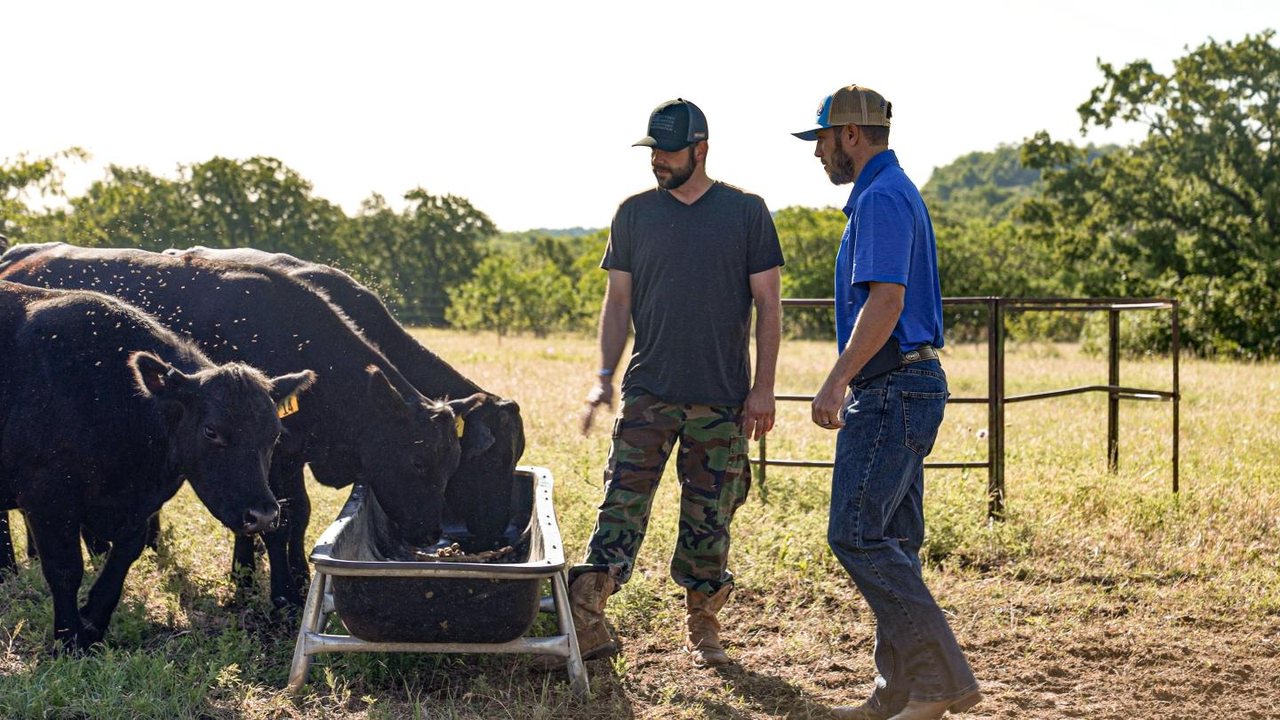
Veterans enter agriculture through many paths: returning to a family operation, starting a farm after service, or building on years of work with crops and livestock. Training, a useful business connection, or conservation assistance can help with the next decision.
This compilation brings together U.S. resources for veterans in farming, including programs created for military communities and opportunities open to all eligible producers. Choose the section that fits what you need.
Resources checked November 11, 2026. Application windows, regional coverage, and the eligibility details that affect access appear with each listing.
People and networks to connect with
USDA veteran farmer resources and state coordinators
USDA’s veteran farmer page connects producers with farm loans, conservation assistance, disaster programs, and insurance resources. State Beginning Farmer and Rancher Coordinators can help people starting an operation understand which USDA offices and programs fit their plans.[2][1]
Access and timing: U.S. producers. Special veteran provisions depend on the agency, service history, and time in farming; ask staff to check your circumstances.
Explore USDA’s veteran farmer resources or find a state coordinator.
Farmer Veteran Coalition
Farmer Veteran Coalition connects veterans and currently serving military members with agricultural programs, a national farmer community, and member benefits. Members can find fellow farmer veterans and follow new opportunity announcements.[3]
Access and timing: Membership is free. Verified Veteran Membership provides access to FVC programs and services; Associate Membership is available to other supporters.
See membership options and join FVC.
Training and agricultural education
NCAT Armed to Farm
Armed to Farm brings veterans, spouses, and farm partners into classroom and on-farm learning. Topics include production, business planning, marketing, and USDA resources. Participants also connect with technical assistance and a network of farmer veterans.[4]
Access and timing: Training uses scheduled cohorts with individual application requirements. The in-person sessions listed on November 11 are closed; the program newsletter and contact form are routes to the next opportunities.
Explore Armed to Farm training and its network.
Cornell Farm Ops scholarships
Farm Ops helps military veterans access agricultural education, including Cornell Small Farms online courses and other agricultural training events. Its scholarships serve people exploring farming, already farming, or seeking agricultural employment.[5]
Access and timing: Veterans and active duty military personnel currently residing in New York State. Course and event scholarships have separate terms; check the relevant option before enrolling.
Review Farm Ops scholarship options.
Farm finance and conservation opportunities
FSA Operating Microloans
Farm Service Agency Operating Microloans offer repayable financing of up to $50,000 for eligible operating needs such as livestock, equipment, feed, seed, supplies, and minor farm improvements. The program is designed around smaller, beginning, and non-traditional farm operations.[6]
Access and timing: U.S. applicants who meet FSA requirements, including acceptable credit history and relevant management experience or education. Ask the local FSA office about repayment, collateral, and the application for your operation.
See Operating Microloan details and how to apply.
NRCS conservation planning and EQIP
Natural Resources Conservation Service staff offer free conservation planning assistance. The Environmental Quality Incentives Program, or EQIP, can help eligible producers implement conservation practices. Qualifying veteran producers may have access to higher payment rates and advance payments.[7][1]
Access and timing: Applications are accepted continuously and considered at state ranking dates. Contact NRCS about your proposed work, veteran eligibility, current payment schedule, and contract requirements before starting a funded practice.
Explore EQIP and find your local service center.
Farmer Veteran Fellowship Fund
FVC’s Fellowship Fund supports veterans in their beginning years of farming or ranching. Awards range from $1,000 to $5,000, paid to approved third-party vendors for items that support the farm business.[8]
Access and timing: The 2026 cycle is complete. Eligible applicants need FVC membership, qualifying military service, an operating for-profit agricultural business, and a business plan. Follow the sponsor for the next application announcement.
Read the Fellowship Fund requirements and updates.
SARE farmer and rancher research grants
Sustainable Agriculture Research and Education offers competitive funding for research and education that advance sustainable agriculture. Farmer-led projects can investigate a practical production question and share what they learn.[9]
Access and timing: Offered through four U.S. regional programs, with different eligibility rules, calls, and deadlines. Funding supports research and education; routine farm startup and major land or equipment purchases fall outside the program’s general scope.
Choose your SARE region and review its grant calls.
Crop insurance benefits for qualifying veterans
USDA’s Risk Management Agency provides information on veteran benefits that can make federal crop insurance more accessible and affordable. A crop insurance agent can review the provisions that apply to your farming and service history.[10]
Access and timing: Eligibility and insurance deadlines depend on the applicable benefits, crop, and location. Ask an agent to assess the current options for your operation.
Review RMA’s beginning farmer and veteran resources.
Business planning and marketing
SBA Veterans Business Outreach Centers
Veterans Business Outreach Centers provide business workshops, counseling, mentorship, and help developing business plans. They can help a farm entrepreneur work through budgeting, markets, and business structure, alongside agricultural production advice from Extension or other farm specialists.[11]
Access and timing: Veterans, service members, National Guard and Reserve members, and military spouses can locate the center serving their region and ask about its services.
Find your regional Veterans Business Outreach Center.
Homegrown By Heroes
Farmer Veteran Coalition’s Homegrown By Heroes certification lets qualifying farms and agricultural businesses identify products as veteran owned and produced. The program includes a producer search that can also help customers find veteran producers.[12]
Access and timing: FVC membership and service verification are required. Businesses must maintain at least 50% veteran ownership and 50% veteran management control; service and product requirements also apply.
Review certification or find a certified producer.
Accessible farming and help finding support
AgrAbility
AgrAbility assists farmers and agricultural workers with disabilities or health conditions that affect their work. Support can include individual consultations, assistive technology information, and connections to rehabilitation or other services. Its state directory identifies local projects and alternative contacts.[14][13]
Access and timing: Services depend on your location and needs. AgrAbility provides technical assistance and referrals; equipment financing is generally arranged separately through vocational rehabilitation or other sources.
Find AgrAbility services in your state.
Farm Aid farmer resources
Farm Aid helps farmers connect with support for business, financial, disaster, and farm-management needs. Its free Farmer Resource Network, state-based Ag Funding Library, and resource guides provide several ways to find relevant organizations.[15]
Access and timing: Available to farmers across operation sizes and production systems. Call 1-800-327-6243, Monday through Friday, 9 a.m. to 9 p.m. Eastern, or use the online assistance request.
Explore Farm Aid’s farmer support through SHE or contact Farm Aid directly.
Veteran farmers in the SHE community
Air Force veteran Matt Adler operates Elm Spring Farm in central Missouri and leads 1840 Farm Foundation. The foundation’s From Service to Soil pilot connects veterans, producers, and others navigating transition through land stewardship and peer-led learning.[17][16]
In Still Serving, Just in Different Boots, Matt reflects on military service, work with sheep and goats, and teaching agriculture at State Fair Community College. His message to other veterans begins with finding a place where you can be useful.[22]
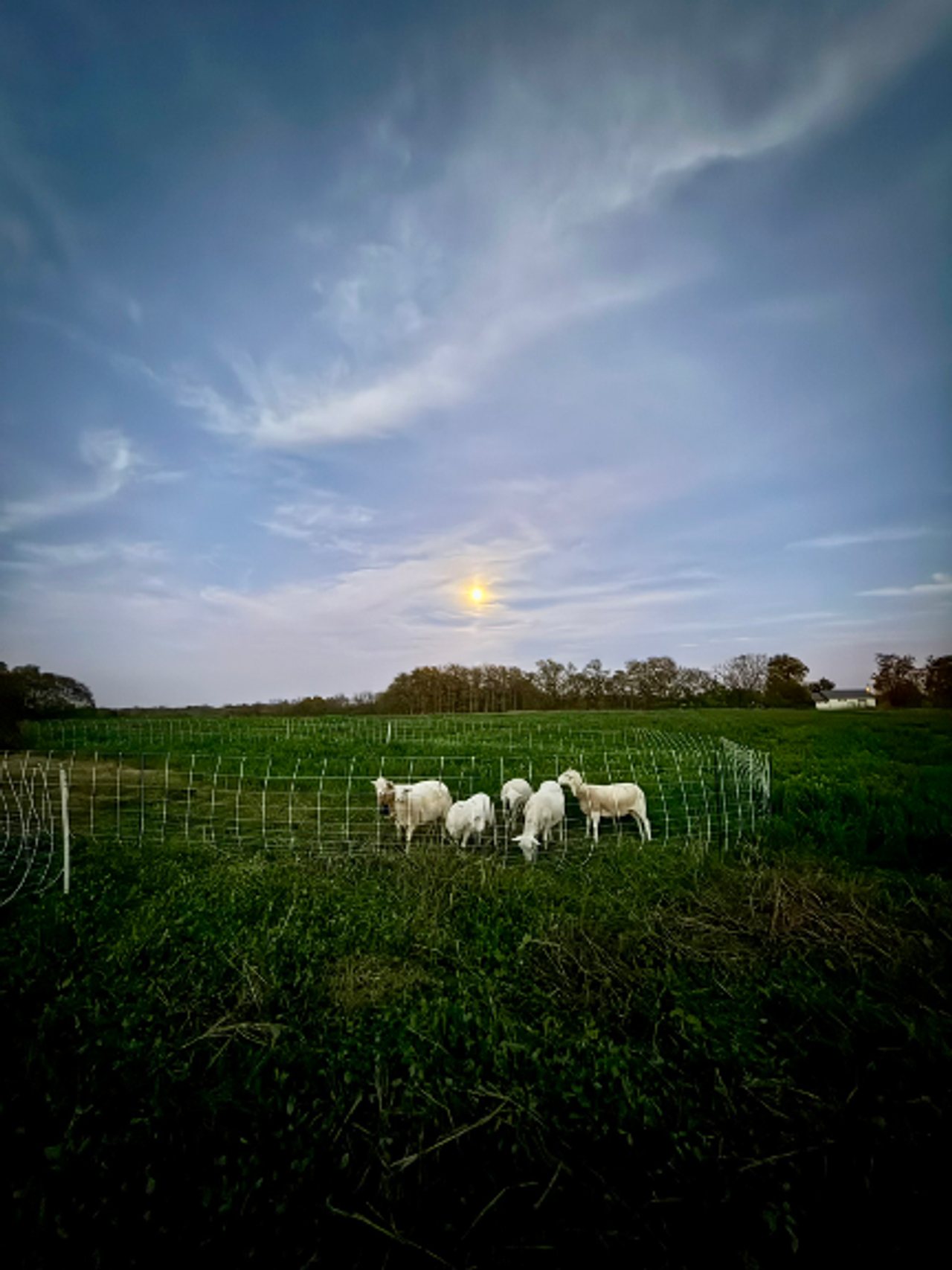
For his experience adapting virtual fencing, read Matt’s earlier field account, or explore 1840 Farm Foundation’s work.[18]
Keep exploring on SHE
- Find a funding fit. Search grants, cost-share, and loans by state and project in Farm Funding.[19]
- Explore a cover crop mix. Use the free Cover Crop Lab to compare species, goals, and planning tradeoffs for your location.[19]
- Bring a field question. Tell the SHE expert network what you manage, where you farm, and the decision you face. No account is required.[20]
- Share practical experience. Explore Farmer Mentors if you would like to help another producer learn from your work.
Know a veteran farming resource that belongs here? Share it with SHE, including the organization’s official link and the region it serves. A useful connection can begin with one farmer passing it to another.