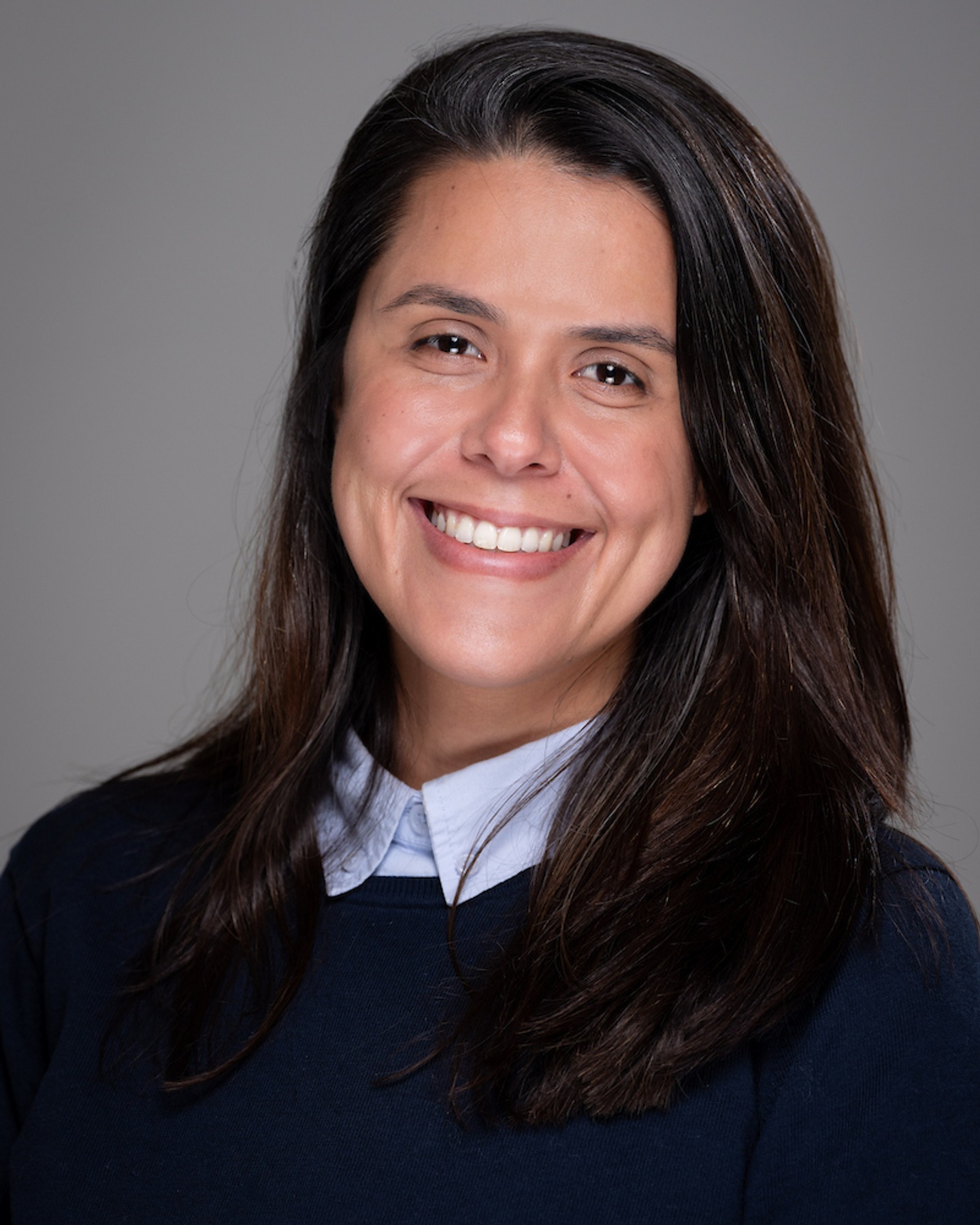
Julia Barra Netto-Ferreira, PhD
Assistant Professor
University

University of Maine
Orono, MEVerified by Soil Health Exchange1 contribution
Contributes as
Researcher / faculty
Region served
Eastern US (North and South) and Southeast Brazil
Land systems
Annual row & field crops, Vegetables & diversified horticulture, Corn, Cropland
Focus
Cover Crop Management, Carbon & Nitrogen Cycling, Soil Health Assessment & Testing, Nitrogen Management
1
Answers
49
Reads
1
States
2.0k
Acres
Acres are represented from producer-submitted field context, not measured outcome claims.
Reach milestones
0 of 6 · next: Seedling Signal (100 reads)49 reads across answers and articles
- 100 reads
- 500 reads

- 1k reads
- 2.5k reads

- 5k reads

- 10k reads

Profile
Dr. Julia Barra Netto-Ferreira is Assistant Professor of Agronomy and Agroecosystem Health at the University of Maine, and Research Director of the Analytical Laboratory and Maine Soil Testing Service; the lab that analyzes soils for producers across the state. Her research focuses on management strategies that integrate soil health, nutrient management, and regenerative agriculture to support sustainable agro-ecosystems. Current projects include refining irrigation management for wild blueberries, fine-tuning nitrogen use efficiency for potatoes across the Northeast, and supporting the development of organic-based fertilizers in Brazil. Julia holds a PhD in Soil, Water, and Ecosystem Sciences from the University of Florida and brings a decade of published work on nutrient cycling, organo-mineral fertilizers, cover crop systems, and biosolid-based nutrient sources. On Soil Health Exchange, she offers both the producer-facing perspective of someone running a state soil testing lab and the research rigor of a working agronomist.
Geographic focus: Eastern US (North and South) and Southeast Brazil