- Location
- Pierce County, Wisconsin
- Crop
- Wheat
The challenge
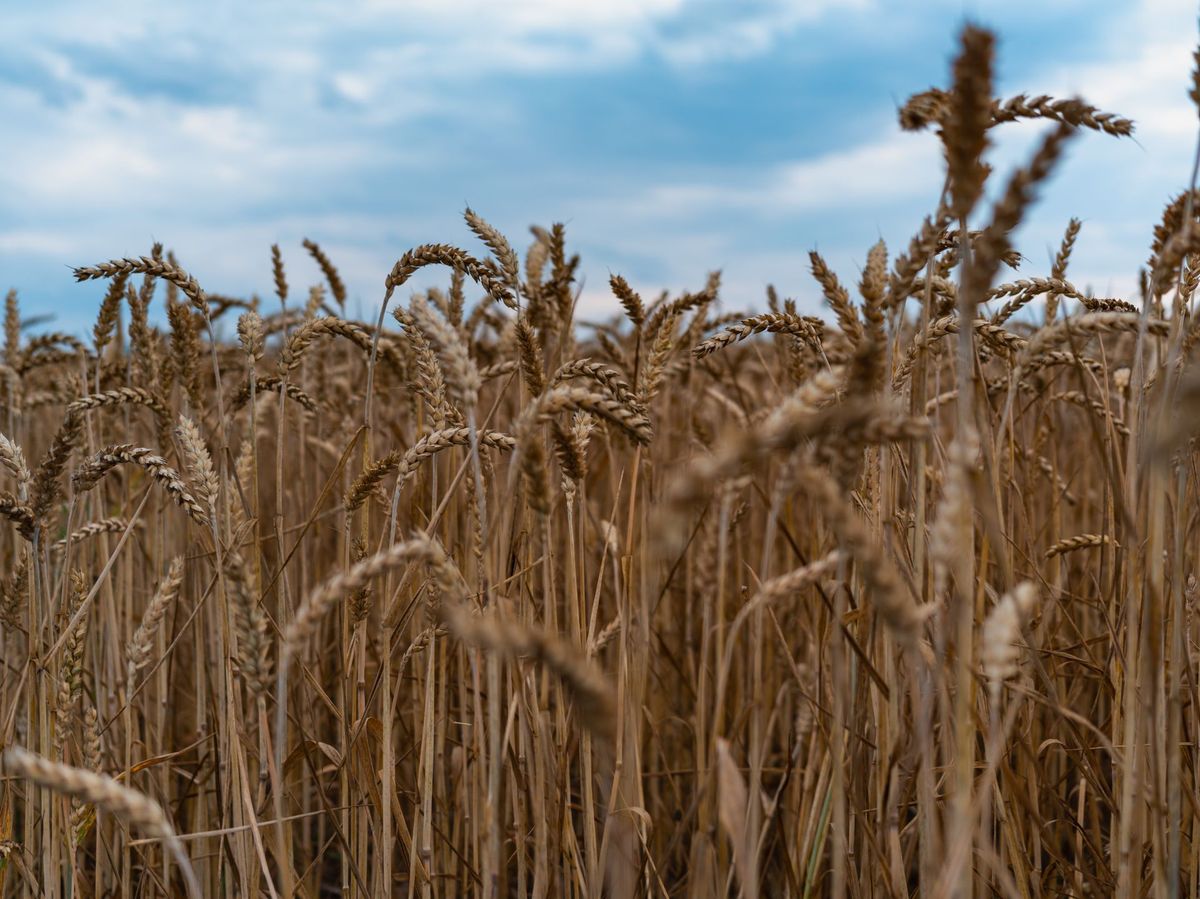
“I have a question. I planted wheat on October 10th, it is my first crop that I'm MANAGING. My goal is to grow it without herbicides or fungicide or synthetic fertilizer. First off, is a traditional soil test still helpful? I know there is growing skepticism, just asking the question. Also, recommendations for fertility/weed management would be appreciated. I'm thinking I'd opt for composted poultry litter, but am open to suggestions. My plan is to frost seed either red clover or bird's foot trefoil to fix nitrogen and also compete with weeds. It sounds like in my area that if a guy wants to sell wheat to the mill, he best spray a fungicide. But as I said, I really don't want to do that of possible. Any suggestions would be much appreciated! Thank you! I'm in Pierce County, WI for reference”
Question source: Everything Cover Crops page, collected by Saurav.
You have three decisions to work through: how to feed the wheat already planted, how to keep weeds from taking over, and how to produce grain your mill can accept. The October planting date suggests winter wheat. Start by confirming the variety and the mill's requirements; those details shape the rest of the plan.
Yes, get a standard soil test
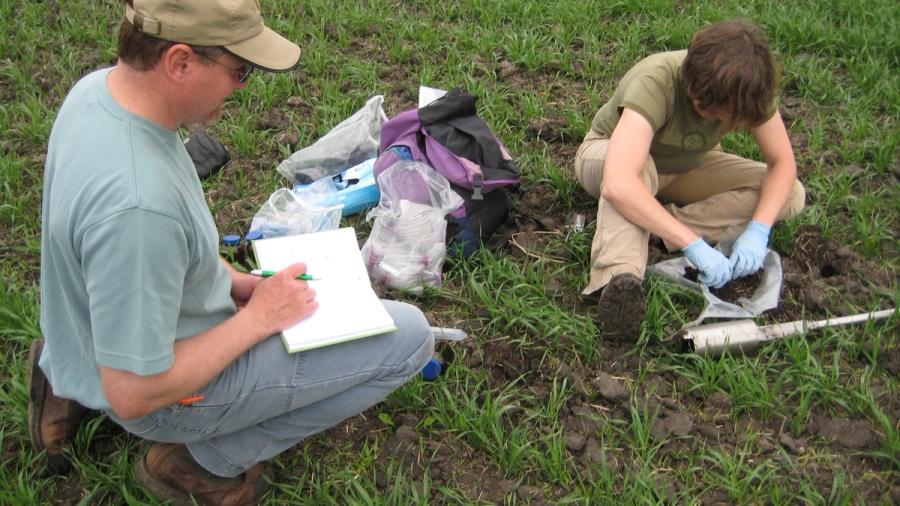
A standard soil test remains useful when you avoid synthetic fertilizer. Ask a lab using Wisconsin interpretations for pH, lime requirement, organic matter, phosphorus, and potassium. These results help you decide whether lime or purchased nutrients are needed and whether poultry litter would add phosphorus the field already has. UW soil-test guidance describes the routine tests.
Use those results alongside the previous crop, manure history, and field observations. Wisconsin's wheat nitrogen recommendations follow a separate process from its phosphorus and potassium recommendations. A routine report alone does not give you the complete nitrogen budget. Tell the adviser whether you will remove straw, too; that changes nutrient removal. UW small-grain fertility guidance explains these distinctions.
Test the litter before choosing a rate
Composted poultry litter is a possible nutrient source. Get a representative analysis for total nitrogen, ammonium nitrogen, phosphorus, potassium, and moisture. Ask whether the material is fully composted or simply stored litter: those materials can release nitrogen differently. Thorough composting generally slows nitrogen release, and total nitrogen on the analysis is larger than the amount available to the crop in the first season. WSU's manure and compost guide explains the difference.
Have a Wisconsin nutrient adviser estimate plant-available nitrogen for the actual material, application timing, and surface placement over your standing wheat. Count earlier manure and legume credits. Check the resulting phosphorus load against the soil test before buying enough litter to meet the entire nitrogen need. If that would oversupply phosphorus, compare a lower-phosphorus organic nitrogen source using its analysis and delivered cost. UW manure-N guidance explains availability and application losses; UW manure guidance explains the phosphorus buildup problem.
Choose clover for the next stage of the rotation
Red clover is the better-supported first choice for frost seeding into winter wheat. Its principal nitrogen benefit comes after the clover grows, is terminated, and decomposes for the following crop. Budget this wheat crop separately. UW's wheat and red-clover guide describes that sequence.
Broadcast inoculated seed when repeated freezing and thawing can work it into exposed soil. Good seed contact matters; deep snow or a thick residue mat can prevent an even stand. Birdsfoot trefoil establishes more slowly and is a less dependable choice for this short establishment window. Select the clover type and seeding rate with local advice and plan how to terminate it before the next crop. Penn State's frost-seeding guide compares the species.
Manage weeds around the stand you have
Walk the field now and again at spring green-up. Record thin patches and identify the weeds. A vigorous wheat stand does much of the weed suppression; late-planted wheat with limited tillering can leave more room for weeds. MSU's green-up guidance explains why spring stand assessment matters.
Treat clover as a partner that grows strongly after wheat harvest. Plan to remove small, troublesome weed patches before they set seed. If you have a tine weeder or rotary hoe, get advice on crop stage and test a short strip first: crop anchorage, weed size, soil conditions, and the young clover determine whether that pass is useful. For the next wheat crop, use this year's weed map to choose the preceding crop and establishment plan.
Plan for head blight and the mill's quality limits
Ask whether the advice you heard concerns Fusarium head blight, also called head scab. It can reduce yield and contaminate wheat with DON, a mycotoxin that can lead to discounts or rejection. UW recommends flowering-time fungicide as an important tool for reducing that risk in Wisconsin. If you choose to grow without fungicide, the plan needs to account for the protection you are giving up. UW small-grain disease guidance explains the stakes.
Check the planted variety's head-blight rating and the preceding crop; corn residue is an important risk factor. For future plantings, make disease resistance and rotation part of the seed decision. Track a head-blight risk forecast as the wheat approaches flowering, using its growth stage and variety susceptibility. A forecast helps anticipate risk; grain testing establishes the harvested lot's DON level.
Get the mill's acceptance specifications now, including wheat class, protein, test weight, moisture, DON, and any production requirements. Plan timely harvest and representative grain sampling. Visible scab and DON do not always match, so test the grain even when the heads look acceptable. Wisconsin harvest guidance explains this mismatch.
Your next useful step is to bring the seed label, soil report, previous-crop history, and litter analysis to a local crop adviser, and get the mill's specifications alongside them. That gives you a workable fertility plan for this wheat and a clear role for clover after harvest.
Topics
Cite this
Reference this work
Soil Health Exchange Team (2026). Growing milling wheat without herbicides, fungicides, or synthetic fertilizer in western Wisconsin. Soil Health Exchange. SHE-FA-2026-0060. https://soilhealthexchange.com/cite/SHE-FA-2026-0060
Soil Health Exchange assigns a stable identifier to every published answer and article. Citations keep working even if the URL changes later.
Keep exploring
Similar questions
From the blog
Discussion
No comments yet. Be the first to share your thoughts!